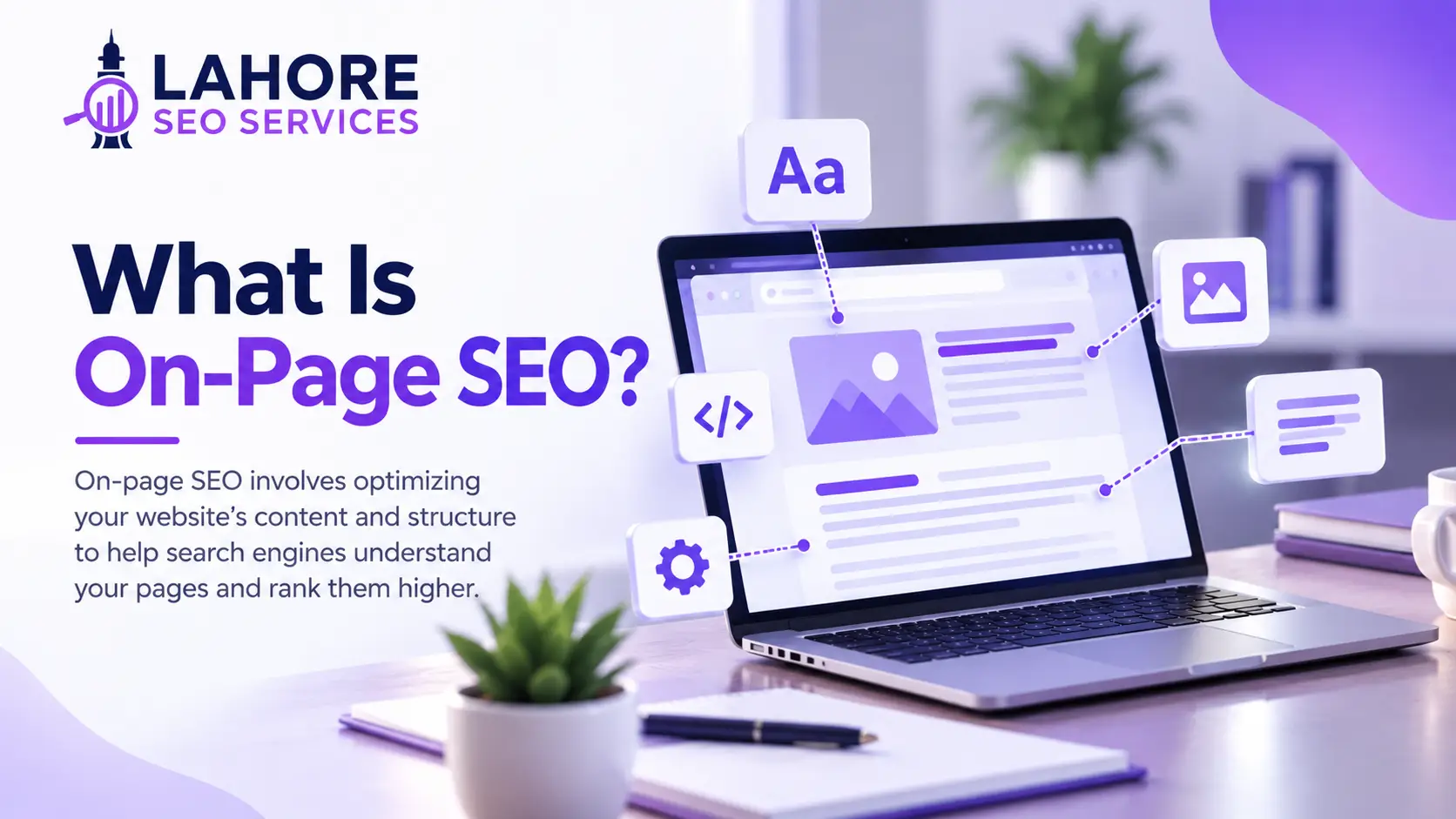
On-page SEO is the practice of optimizing individual web pages so search engines can understand page purpose, relevance, structure, and value. On-page SEO includes content optimization, HTML elements, keywords, headings, title tags, meta descriptions, URLs, internal links, images, and user experience. Effective on-page SEO optimization connects every element of a page with search intent and the information users need.
For a business targeting customers through Google Search, on-page SEO provides direct control over important page signals. Lahore SEO Services uses this process to align page content and structure with relevant searches without forcing keywords into unnatural sentences.
Why Is On-Page SEO Important?
On-page SEO is important because clear, relevant pages help search engines interpret content and help users find answers that match their searches. Strong optimization supports organic visibility, crawlability, usability, and a clearer relationship between a page and its target query.
A page can contain excellent information yet perform poorly when the title, headings, content structure, URL, internal links, or search intent do not communicate the page purpose clearly. On-page work addresses these page-level issues.
On-page SEO does not guarantee a specific ranking position. Search performance depends on multiple systems and factors, including relevance, content quality, technical accessibility, competition, and off-page signals such as backlinks.
What Are the Main On-Page SEO Factors?
The main on-page SEO factors include content quality, search intent, title tags, meta descriptions, headings, URL structure, keyword usage, internal linking, image optimization, and mobile-friendly user experience. Each factor serves a specific purpose and should support the same page topic.
Search Intent and Content Quality
Search intent defines what the user wants from a search. A page should provide the information, product, service, or solution that matches the query.
Content quality depends on usefulness, relevance, clarity, accuracy, completeness, and originality. Do not create longer content simply to reach a word target. Create enough content to satisfy the specific search task.
A service page should explain the service, benefits, process, coverage, and conversion path. An informational article should answer the main question and address closely related questions that help the reader complete the search task.
Title Tag
The title tag identifies the page in browser tabs and commonly supplies the title shown in search results. Write a concise, descriptive title that represents the page accurately and includes the primary topic naturally.
Avoid repeating keywords or writing titles that promise information the page does not provide. A strong title helps search engines interpret relevance while giving users a clear reason to inspect the result.
Meta Description
The meta description summarizes the page for search users and can influence whether users choose a result. Write a concise description that accurately communicates the page value and matches the search intent.
Search engines can generate a different search snippet, so a meta description does not guarantee the exact text shown in search results. Treat the description as useful page metadata rather than a guaranteed ranking control.
Headers and Content Structure
Headers organize information into a logical hierarchy. Use one clear H1 for the main page topic, then use H2 and H3 headings to divide supporting subjects.
A descriptive H1 establishes the primary subject. H2 headings define major sections, while H3 headings can organize details under an H2. Clear hierarchy helps users scan the page and helps search engines understand relationships between sections.
URL Structure
A clean URL structure gives users and search engines a readable page address. Keep URLs short, descriptive, and focused on the page subject.
Use meaningful words and hyphens between words. Avoid unnecessary parameters, random characters, excessive folder depth, and repeated terms. Change an established URL only when there is a clear reason, because URL changes require proper redirects and can affect existing references.
Keyword Placement
Keywords help describe the subject of a page, but keyword repetition does not create relevance by itself. Place important terms where they naturally clarify page topic and intent.
Useful locations can include the title, H1, opening content, relevant subheadings, URL, body copy, and descriptive image alt text when the image genuinely represents the term. Do not force the primary keyword into every heading or paragraph.
Use related terminology and specific questions when those terms improve topical coverage. Search engines evaluate the broader meaning of content rather than relying only on exact keyword repetition, which makes entity-based SEO relevant to broader topical understanding.
Internal Linking
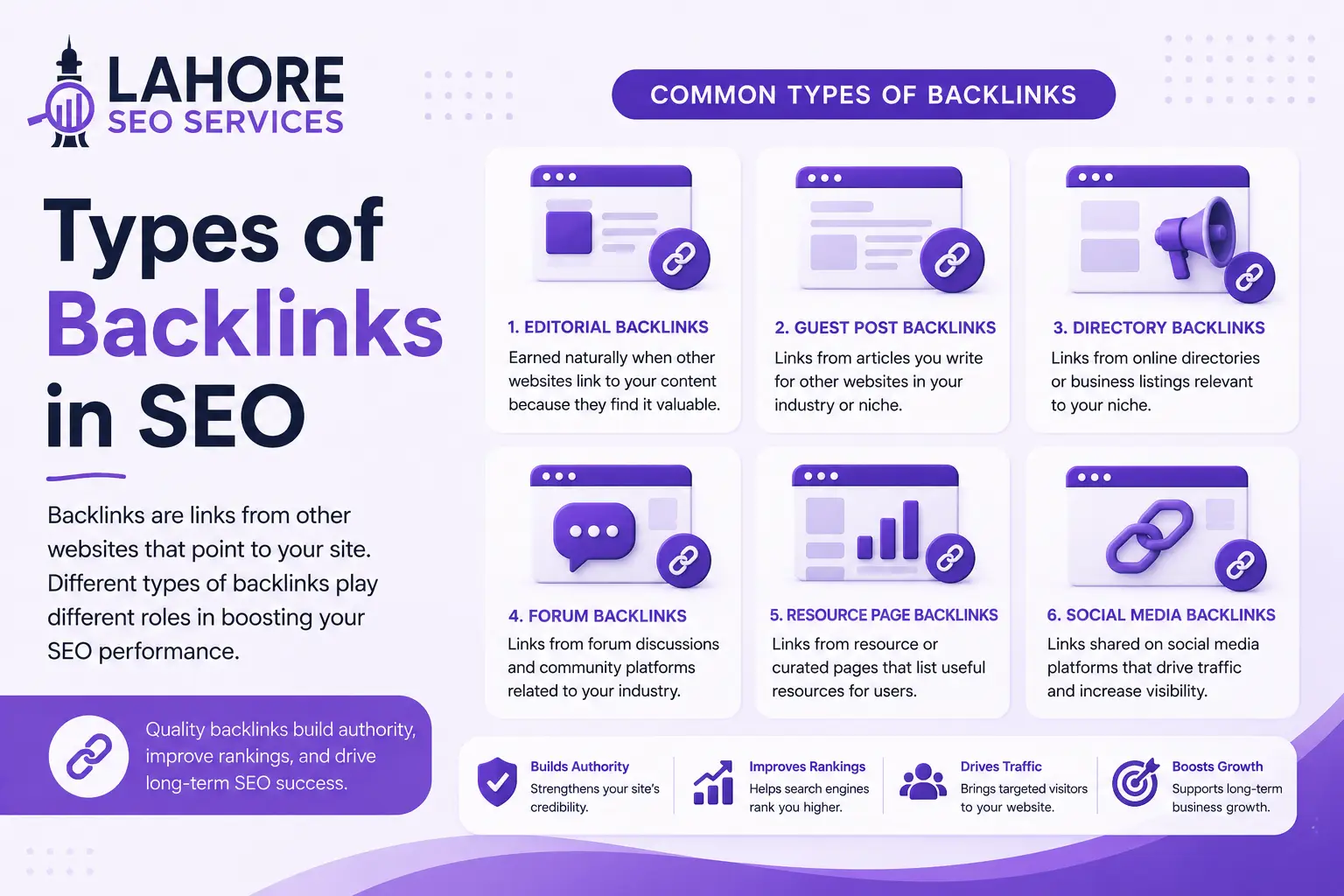
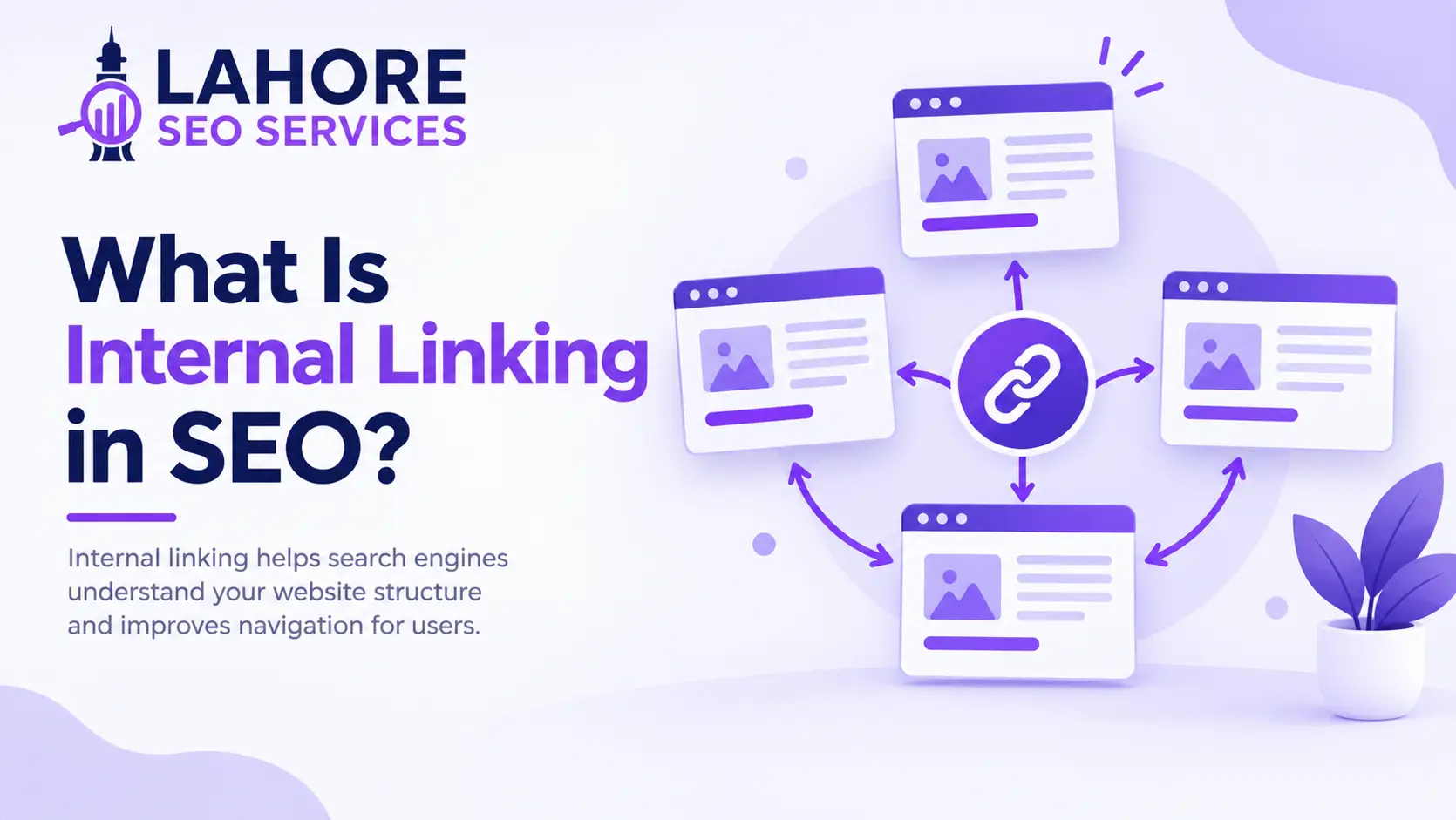
Internal linking connects pages within the same website. Use relevant internal links to guide users to useful supporting pages and help search engines discover and understand related content.
Choose descriptive anchor text that tells users what the destination page covers. Link between closely related articles, service pages, category pages, and other resources when the connection is genuinely useful.
A strong internal linking structure can support crawlability and distribute contextual relevance across related pages. Avoid adding links solely to increase link counts.
External Links
External links point from your website to another website. Use external links when a trusted source provides evidence, definitions, research, or additional information that strengthens the page.
External linking does not automatically improve rankings. The destination should genuinely support the statement or resource being discussed. Relevant references can improve usefulness and help readers verify information.
Image Optimization
Images support comprehension when visuals add meaningful information. Optimize images with descriptive file names, appropriate formats, useful dimensions, and accurate alt text.
Alt text primarily supports accessibility by describing meaningful image content. Write alt text for the actual image rather than inserting keywords that do not describe the visual. Decorative images can use appropriate accessibility handling instead of keyword-focused descriptions.
How Do You Optimize a Page for On-Page SEO?
To optimize a page for on-page SEO, match the page with search intent, improve the content, refine important HTML elements, strengthen internal links, optimize media, and review mobile usability. Start with the search query and page purpose before changing individual elements.
Use this workflow:
- Identify the primary search intent and target query.
- Review competing search results to understand expected page type and content scope.
- Write or revise useful, SEO-optimized content that satisfies the query.
- Create a descriptive title tag, H1, URL, and meta description.
- Organize supporting information with H2 and H3 headings.
- Add relevant internal links and useful external references.
- Optimize images, file names, dimensions, and alt text.
- Check mobile presentation, navigation, readability, and page speed.
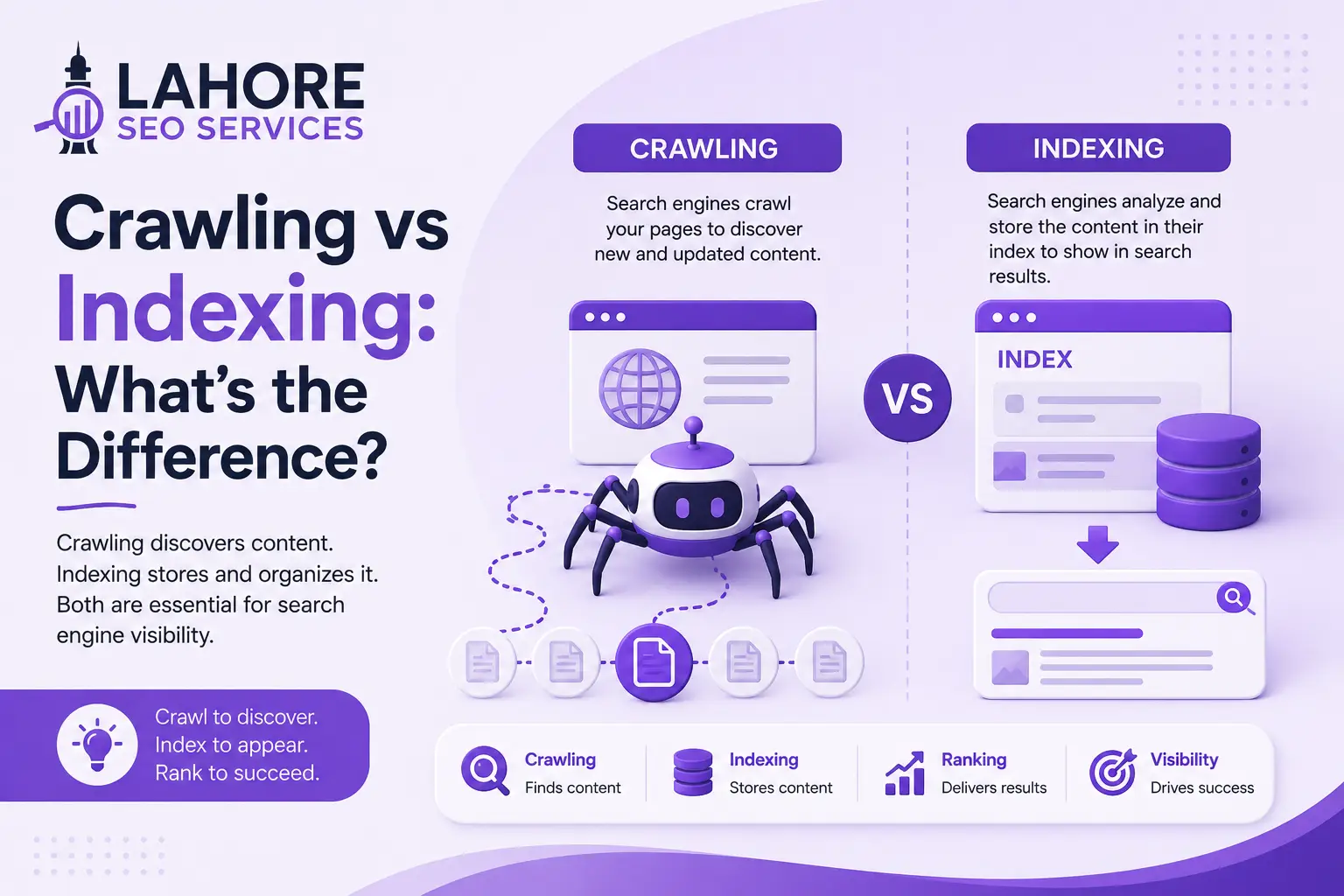
- Review indexing signals, canonical tags, and crawlability.
- Test the page after publication and monitor search performance.
This workflow prevents isolated optimization. Every change should support the same search intent and page objective.
How Do Keywords Affect On-Page SEO?
Keywords affect on-page SEO by helping search engines and users identify the subject, scope, and intent of a page. Keywords work best when content uses natural language that accurately addresses the searcher’s needs.
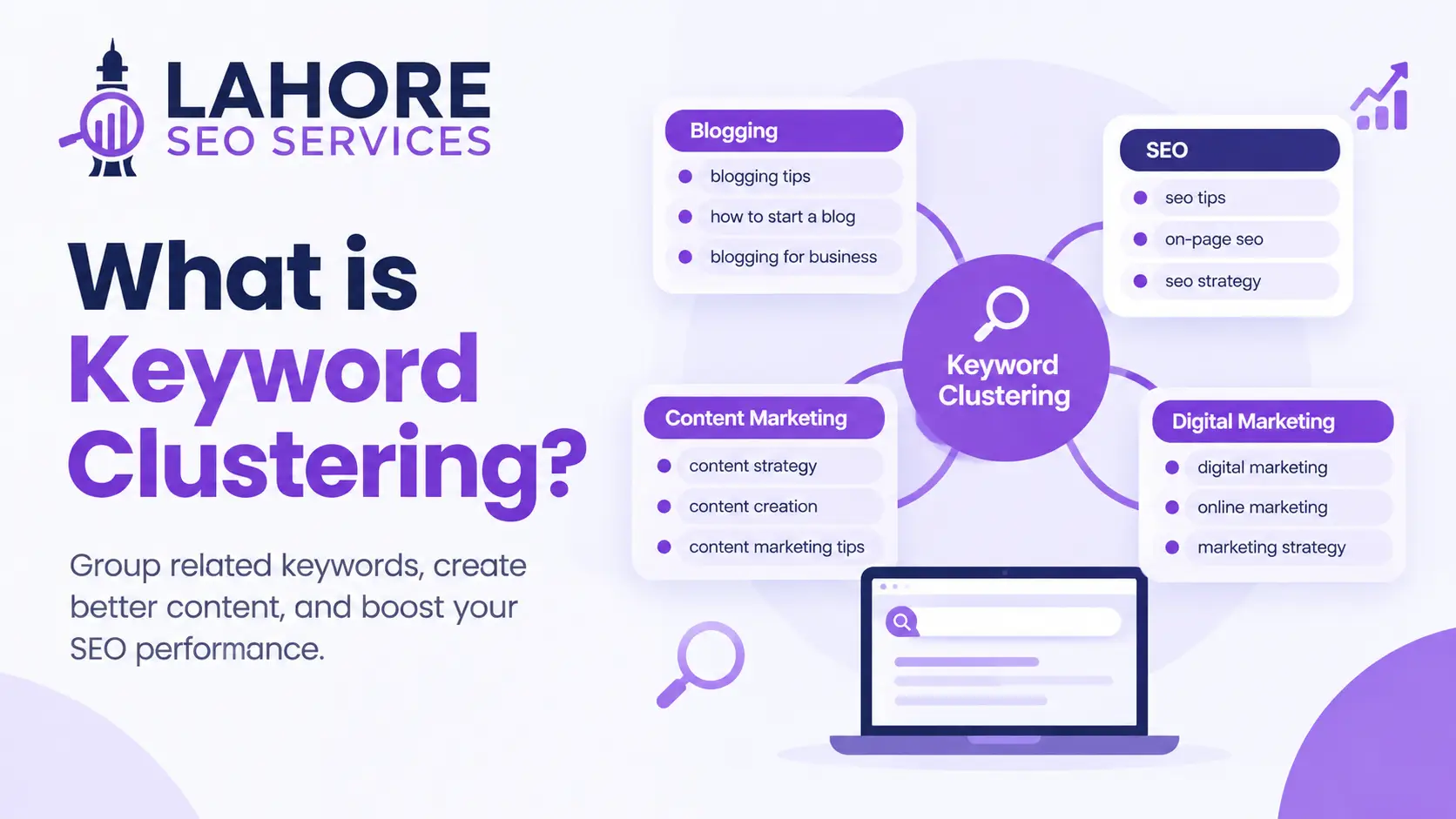
Start with keyword research to identify relevant queries, variations, questions, and commercial terms. Map each important keyword group to the page that best satisfies the corresponding intent. Avoid creating separate pages for minor variations when one page can answer the same search need clearly.
Keyword placement should support comprehension. Use the primary topic in important page elements where appropriate, then cover related concepts naturally within the content. Keyword density is not a reliable target for modern optimization, so do not repeat phrases merely to reach a percentage.
How Do Tools Help With On-Page SEO?
SEO tools help with on-page SEO by turning page analysis into a structured checklist of issues, opportunities, and comparison points. Tools can reduce manual review time, but tool recommendations still require human judgment.
An on-page SEO checker can review elements such as title tags, headings, content, keywords, links, images, and technical page signals. Tools such as Google Search Console can show queries, impressions, clicks, and pages that receive search visibility. Screaming Frog can support larger website audits, while Yoast SEO, Rank Math, and All in One SEO Pack can assist with common WordPress optimization tasks.
SEMrush, Ahrefs, Moz, and similar platforms can support keyword research and competitive analysis. Use recommendations as evidence for investigation rather than automatic instructions. A tool score does not replace search intent, content quality, or business relevance.
Common On-Page SEO Mistakes
Five common mistakes weaken on-page SEO.
First, keyword stuffing makes content repetitive and can reduce readability. Use keywords where the terms communicate genuine meaning.
Second, weak search intent creates pages that answer a different question from the query. Identify the user’s task before writing.
Third, poor heading structure makes long pages harder to scan. Use H1, H2, and H3 elements according to the content hierarchy.
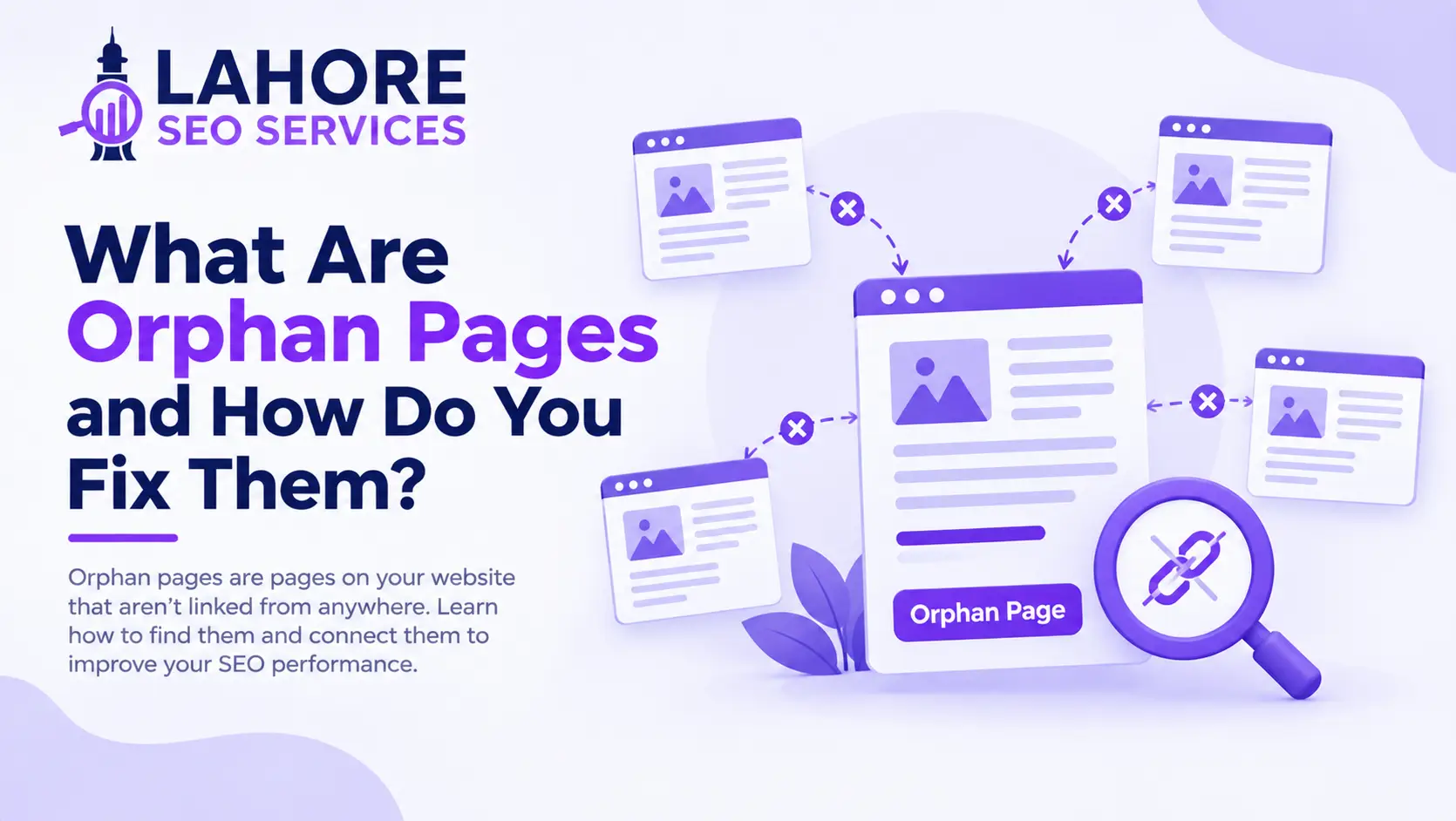
Fourth, weak internal linking leaves useful pages disconnected. Add contextual links where another page provides meaningful next information.
Fifth, outdated content can lose relevance when facts, services, products, or search expectations change. Review pages periodically and update information that no longer serves the intended audience.
How Do You Measure On-Page SEO Performance?
Measure on-page SEO performance through organic impressions, clicks, rankings, landing-page traffic, engagement data, and conversions that relate to the page objective.
Google Search Console can show search queries, impressions, clicks, click-through rate, and average position. Google Analytics can help analyze user behavior and conversions after visitors reach the website.
Do not judge a page from one metric. A page can gain impressions without generating qualified traffic, while a lower-volume page can produce valuable leads. Compare performance against the page’s purpose, target queries, and business goals.
Conclusion
On-page SEO is the page-level foundation of search engine optimization. Strong on-page SEO connects search intent, useful content, HTML elements, keywords, internal linking, images, and user experience into one page structure.
Start with the searcher’s task, create content that satisfies the task, then optimize supporting elements without forcing keywords. Review pages with Search Console and suitable audit tools, measure outcomes, and update pages when information or search expectations change. This approach creates pages that are clearer for users, easier for search engines to interpret, and better aligned with sustainable organic search performance.
Frequently Asked Questions
What is on-page SEO?
On-page SEO is the optimization of individual web pages for search engines and users. The process covers content, search intent, titles, headings, URLs, keywords, internal links, images, HTML elements, and usability so each page communicates its purpose clearly.
Why is on-page SEO important for search rankings?
On-page SEO helps search engines understand page relevance and helps users find information that matches search intent. Clear content, structured headings, descriptive metadata, useful links, and accessible pages give search engines stronger context for evaluating individual web pages.
What are the most important on-page SEO factors?
The most important on-page SEO factors include search intent, content quality, title tags, headings, keywords, internal links, URLs, image optimization, and user experience. Each factor should support the page topic and help users complete the intended search task.
How do you optimize a page for on-page SEO?
Optimize a page by matching search intent, creating useful content, refining the title, H1, URL, metadata, headings, links, and images, then checking mobile usability and crawlability. Monitor performance after publication and update pages when search needs or information changes.
How do keywords affect on-page SEO?
Keywords help identify the topic and scope of a page when you use keywords naturally within relevant content and page elements. Effective keyword use prioritizes search intent, semantic relevance, and clear language instead of repetitive exact-match phrases or arbitrary keyword density targets.