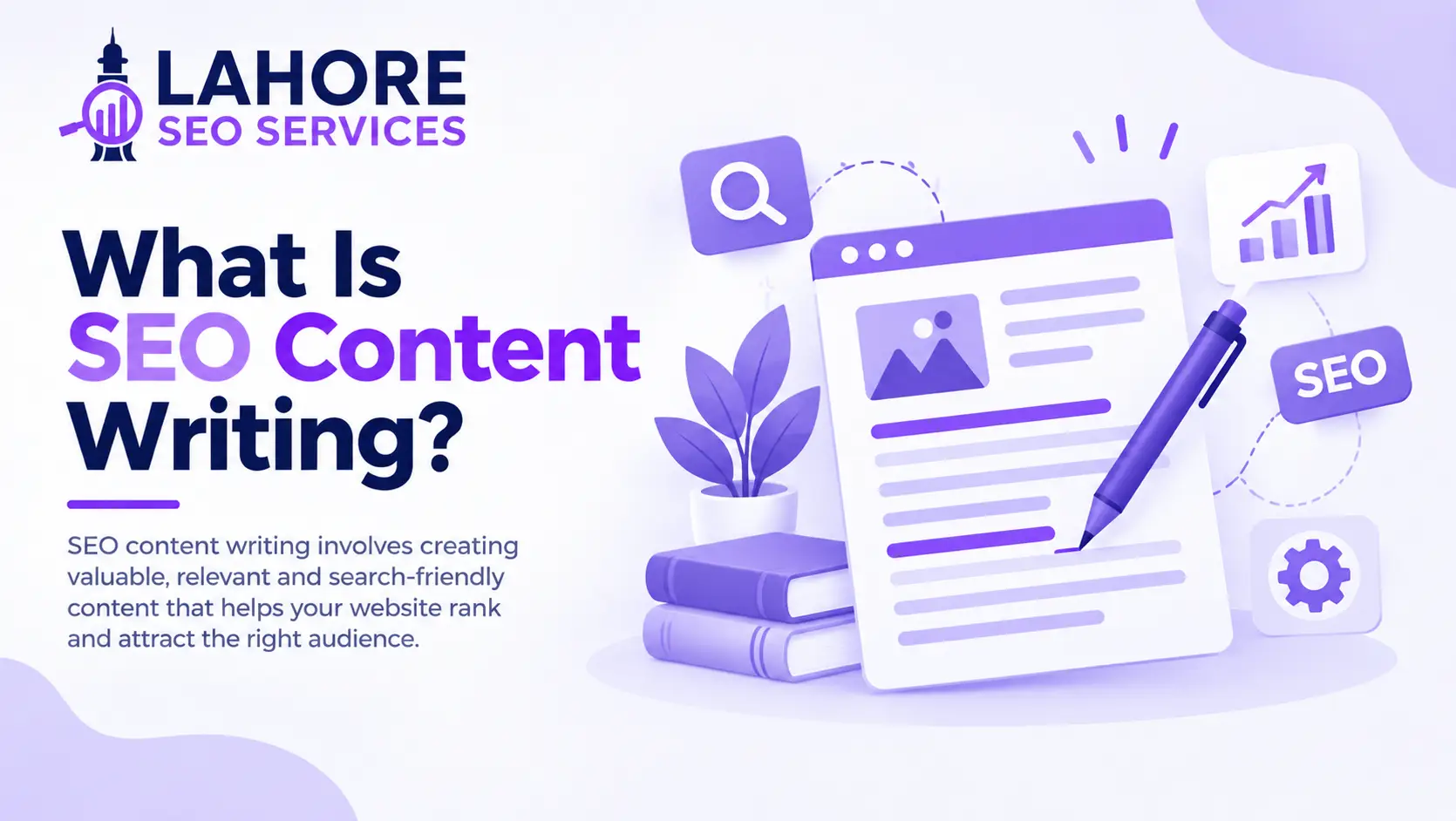
SEO content writing is the process of creating useful, search-focused content that answers users’ questions and helps search engines understand a page’s topic. It combines keyword research, search intent analysis, clear writing, relevant information, logical structure, and on-page SEO to improve a website’s visibility in organic search results.
For businesses, SEO content writing helps attract relevant visitors, answer potential customers’ questions, build trust, and guide users toward relevant products or services.
Why Is SEO Content Writing Important?
SEO content writing is important because useful, relevant pages can attract qualified search traffic and support conversions without relying entirely on paid advertising. A well-structured page can answer a searcher’s question, introduce a service, establish expertise, and guide the visitor toward an appropriate next action.
Search visibility depends on more than writing quality. Search engines evaluate signals related to relevance, usefulness, links, page experience, and technical accessibility. Content gives a website the substance required to demonstrate relevance for specific topics and search intents.
SEO Content Writing vs Regular Content Writing
The main difference is search-focused content planning. Regular content writing can prioritize communication, brand storytelling, education, or engagement without targeting a defined search opportunity. SEO content writing adds search intent, keyword research, on-page structure, internal linking, and discoverability to the writing process.
Regular content may serve an existing audience, while SEO content targets people with an information, comparison, or purchasing need expressed through search.
SEO content should use normal language, clear organization, accurate information, and sound editorial judgment.
How Does SEO Content Writing Work?
SEO content writing follows a structured process that connects search demand with useful information. Each stage affects the quality and relevance of the final page.
1. Define the audience and business goal
Start by identifying who needs the content and what the business wants the page to achieve. A service business may seek qualified leads, while an ecommerce website may seek product discovery and purchases. A clear objective prevents irrelevant topics and unfocused writing.
2. Research keywords and search demand
Keyword research identifies the terms and questions people use when searching for information. Select a primary keyword that represents the page topic, then identify related terms that help cover the subject naturally.
Keyword research should consider intent, relevance, competition, specificity, and audience language. Search volume alone does not determine page value.
3. Identify search intent
Search intent describes what the searcher wants to accomplish. Common categories include informational, navigational, commercial investigation, and transactional searches.
A page targeting “what is technical SEO” needs an explanatory structure, while “technical SEO services Lahore” has a stronger service-oriented intent. Matching the content format to intent helps prevent a mismatch between the query and the page.
4. Build topical coverage
Topical coverage means addressing the important concepts required to answer the primary question thoroughly. Related entities, definitions, processes, examples, benefits, limitations, and practical considerations can strengthen the page when each element serves the reader.
Semantic relevance matters more than inserting every variation.
5. Create a logical outline
A useful outline establishes one H1, descriptive H2 sections, and H3 subsections where necessary. Each heading should introduce a distinct information need.
Answer the central question early, then provide supporting details and related questions. This structure helps readers scan the page.
6. Write for humans first
Use simple sentences, precise terminology, active voice, and concrete explanations. Define specialist terms when the intended audience may not know them. Remove statements that do not help the reader understand, compare, evaluate, or act.
High-quality content must be accurate and useful. Original research, expertise, examples, expert review, and clear sourcing can add value where evidence or professional judgment matters.
7. Optimize on-page elements
On-page SEO connects content quality with page structure. Key elements include the title tag, meta description, headings, URL structure, internal links, image attributes, and relevant keyword placement.
The title tag should describe the page accurately and reflect the primary topic. The meta description should summarize the page without unsupported promises.
8. Review and update the page
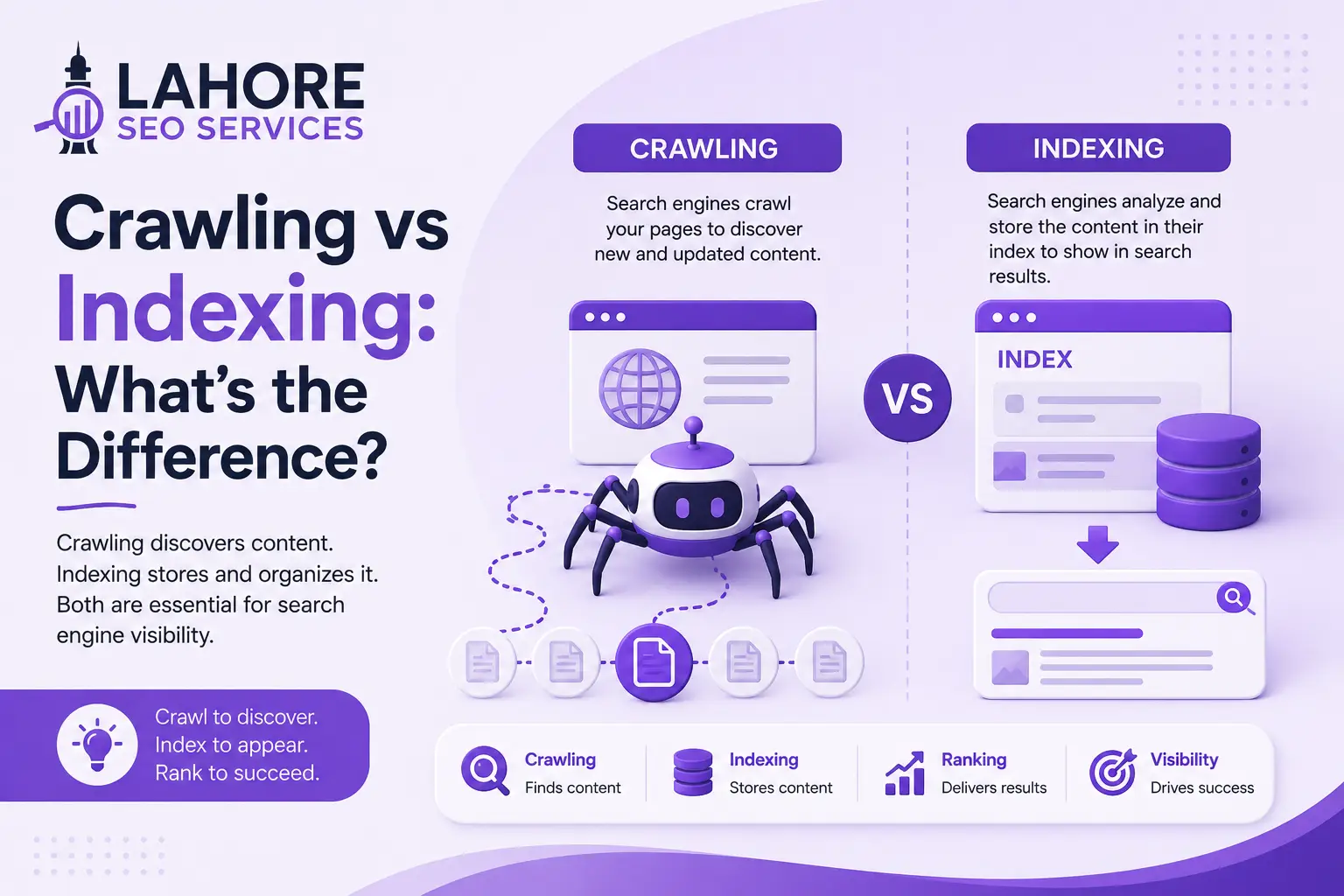
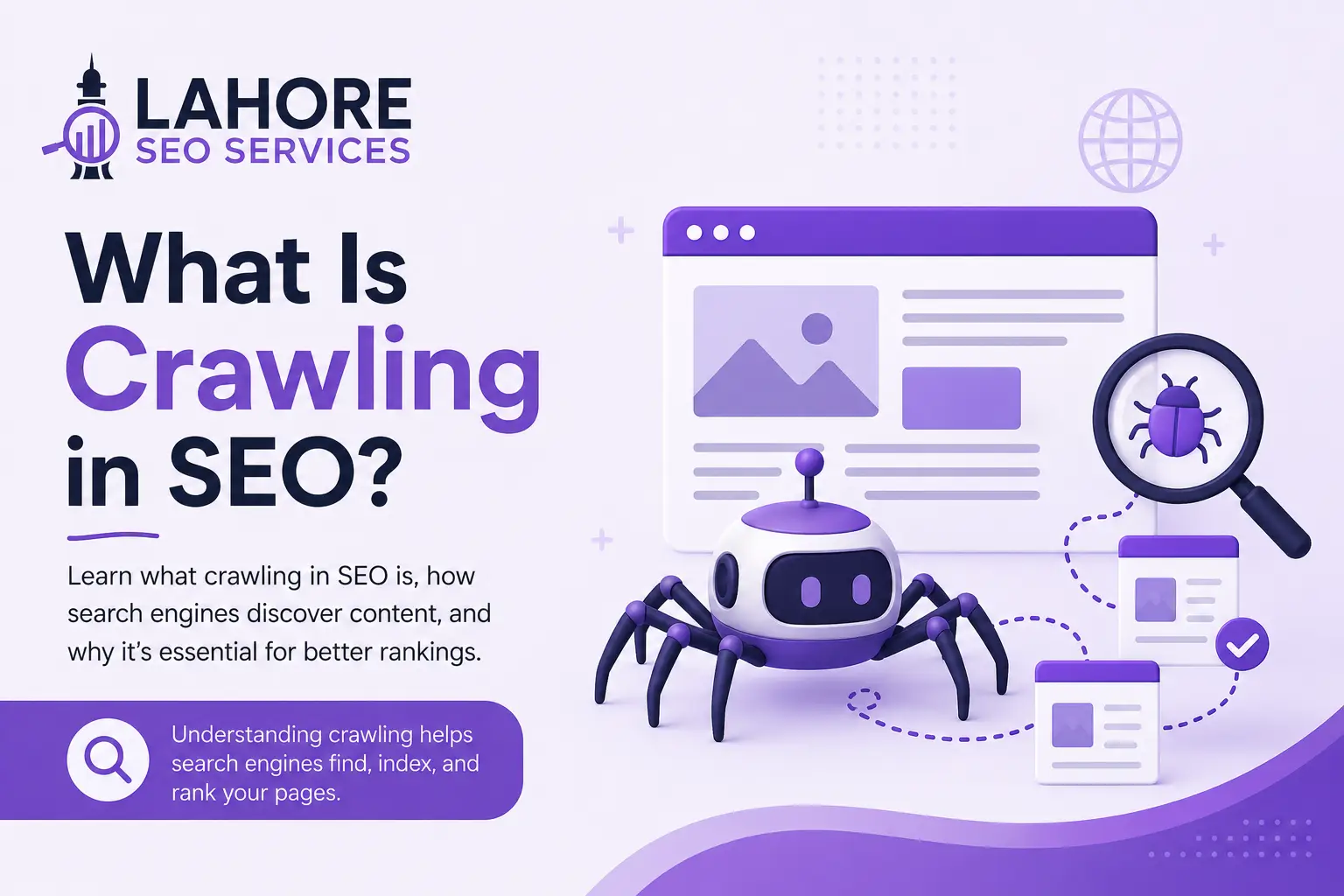
SEO content requires editorial and performance review after publication. Check factual accuracy, outdated information, broken links, search intent alignment, indexing status, and opportunities to improve coverage.
Update content when the subject, product, service, regulations, statistics, or search landscape changes.
What Makes SEO Content High Quality?
High-quality SEO content is accurate, useful, focused, readable, original, and aligned with the searcher’s actual need. Quality comes from the information and experience delivered on the page, not from a specific keyword density or word count.
A strong page answers the primary question directly, resolves important follow-up questions, uses relevant examples, avoids unsupported claims, and explains technical points clearly.
Strong SEO content keeps every section connected to the main search need.
How Should You Use Keywords in SEO Content?
Use keywords naturally where relevant keywords clarify the page topic, section subject, or user intent. A primary keyword can appear in important locations such as the title, H1, introduction, and relevant headings, but exact repetition throughout every paragraph is unnecessary.
Keyword stuffing occurs when a writer adds excessive or unnatural keyword repetitions to manipulate search visibility. Keyword stuffing can make content difficult to read and can signal poor quality.
Use related terminology when related terminology improves clarity. For example, a page about SEO content writing may naturally discuss search intent, organic traffic, on-page SEO, internal links, meta descriptions, and content strategy. These terms describe connected concepts without requiring forced repetition.
What Is On-Page SEO in Content Writing?
On-page SEO is the optimization of elements within a webpage that help search engines and users understand the page. Content writers commonly influence headings, text structure, keyword placement, internal links, title tags, meta descriptions, image alt text, and URLs.
The heading hierarchy should reflect information structure rather than visual styling. The H1 identifies the primary page topic, while H2 and H3 headings divide supporting subjects into logical sections.
Internal links connect related pages within the same website. Relevant internal links can help users find additional information and help search engines discover and understand relationships among pages.
Image optimization matters when images contribute useful information or page experience. Descriptive file names, accurate alt text, appropriate dimensions, and efficient compression can support accessibility and performance.
What Is Off-Page SEO for Content?
Off-page SEO covers activities and signals outside the webpage that can affect discovery, authority, and reputation. Content promotion, digital public relations, citations, and backlinks are common examples.
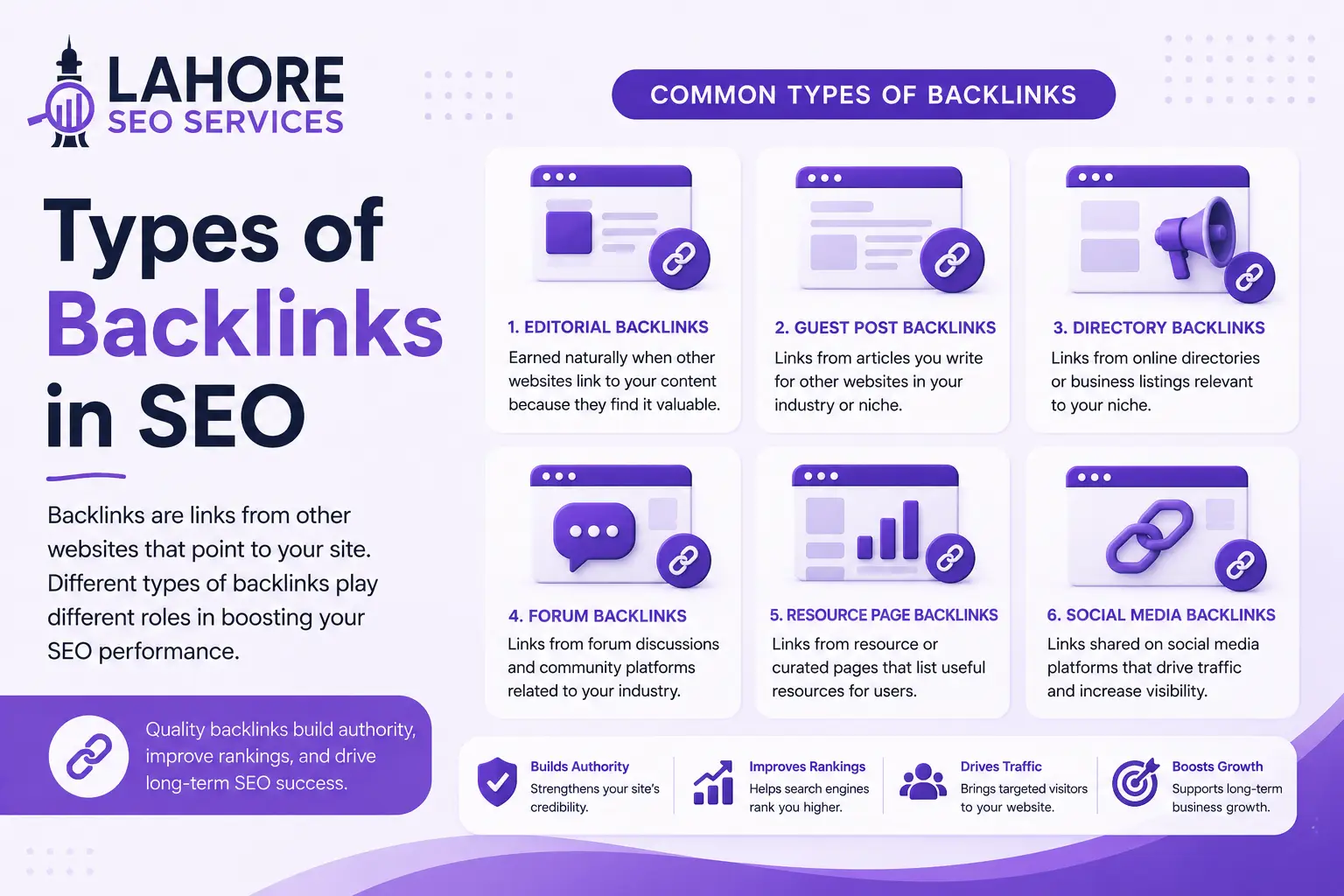
A backlink is a link from another website to your page. Relevant links from reputable websites can help discovery and may contribute to page evaluation. Link acquisition should focus on legitimate editorial value.
Social media promotion can generate direct traffic and expose content to people who may share, cite, or link to the page.
Can AI Write SEO Content?
Yes. AI tools can help produce drafts, outlines, research prompts, summaries, and alternative wording, but human review remains essential for accuracy, originality, relevance, and editorial quality.
Large Language Models (LLMs) can generate fluent text quickly, yet generated content can contain factual errors, unsupported claims, outdated information, repetitive phrasing, or details that do not match a business. A responsible workflow uses AI as a production aid rather than a substitute for subject expertise and editorial control.
Human review matters especially for medical, financial, legal, and technical subjects. Writers should verify important claims against reliable sources and add genuine expertise where available.
How Can Businesses Use SEO Content Writing?
Businesses can use SEO content writing across blog posts, service pages, product guides, comparison pages, case studies, landing pages, and educational resources. Lahore SEO Services can use this approach to connect informational content with relevant business goals.
A service website can publish educational articles that answer early-stage questions and link readers to relevant services. Ecommerce sites can create buying guides, comparisons, category explanations, and usage information. B2B companies can publish resources addressing operational problems.
A practical content strategy should organize related topics into connected clusters. Each page needs a distinct purpose so pages do not compete for the same primary search intent.
How Do You Measure SEO Content Performance?
Measure SEO content with metrics that reflect visibility, engagement, and business outcomes. Useful measurements include organic clicks, impressions, search queries, average position, conversions, engaged sessions, and assisted conversions.
Search Console can reveal queries that generate impressions and clicks. Analytics can show visitor actions, while business data can connect organic traffic with leads, customers, or subscribers.
Do not judge content only by ranking position. A page can attract substantial impressions but produce limited business value when the search intent is poorly matched. Analysis should connect visibility with the page objective.
SEO Content Writing Best Practices
Use a repeatable editorial process that protects relevance, clarity, and accuracy. The following practices help maintain consistent quality:
- Start with search intent, not a keyword list.
- Define one primary topic for every page.
- Use keywords naturally and avoid stuffing.
- Answer the main question immediately.
- Build headings around genuine information needs.
- Cover relevant entities and related concepts without forcing terms.
- Use specific examples where examples clarify the subject.
- Add internal links only when the destination genuinely helps the reader.
- Write descriptive title tags and meta descriptions.
- Optimize useful images for accessibility and performance.
- Verify factual claims before publication.
- Review published pages when information or search intent changes.
- Measure organic performance against business objectives.
A consistent process makes content easier to scale without sacrificing editorial standards.
Why Consistency Matters in SEO Content
Consistency matters because search visibility and topical authority develop through sustained publishing, optimization, and maintenance rather than isolated articles. A website with related, useful resources can provide broader coverage of a subject while giving readers more relevant paths through the site.
Consistency does not mean publishing low-value content on a fixed schedule. Publish when a topic has genuine audience value and a clear purpose.
Final Takeaway
SEO content writing combines search intent, keyword research, useful information, clear structure, on-page SEO, internal linking, and ongoing quality control. Effective content serves the reader first while giving search engines enough context to understand the page.
A strong approach starts with a defined audience and search need, develops topical coverage, uses keywords naturally, and connects content to measurable business goals.
Frequently Asked Questions
Why is SEO content writing important for search rankings?
SEO content writing helps search engines understand page relevance while giving readers useful information that satisfies search intent. Strong content supports organic visibility when quality, relevance, authority, and technical accessibility align.
How do you write SEO-friendly content?
Write SEO-friendly content by matching search intent, researching relevant keywords, answering the main question directly, using clear headings, placing keywords naturally, adding relevant internal links, and optimizing titles, descriptions, URLs, and images.
What makes content effective for both SEO and readers?
Content becomes effective for SEO and readers when content accurately answers the query, provides useful depth, uses clear language, follows logical structure, demonstrates expertise, and avoids keyword stuffing. Reader usefulness and search relevance must remain aligned.
How do keywords work in SEO content writing?
Keywords identify the subjects and search language that a page addresses. Writers use a primary keyword and related terms to clarify relevance, while natural placement prevents repetition. Search engines use many signals beyond keywords when evaluating pages.
What is the difference between SEO content writing and regular content writing?
SEO content writing adds search-focused research and optimization to normal content writing. SEO writing considers search intent, keywords, headings, internal links, metadata, and discoverability, while regular content may focus on communication, education, or engagement.