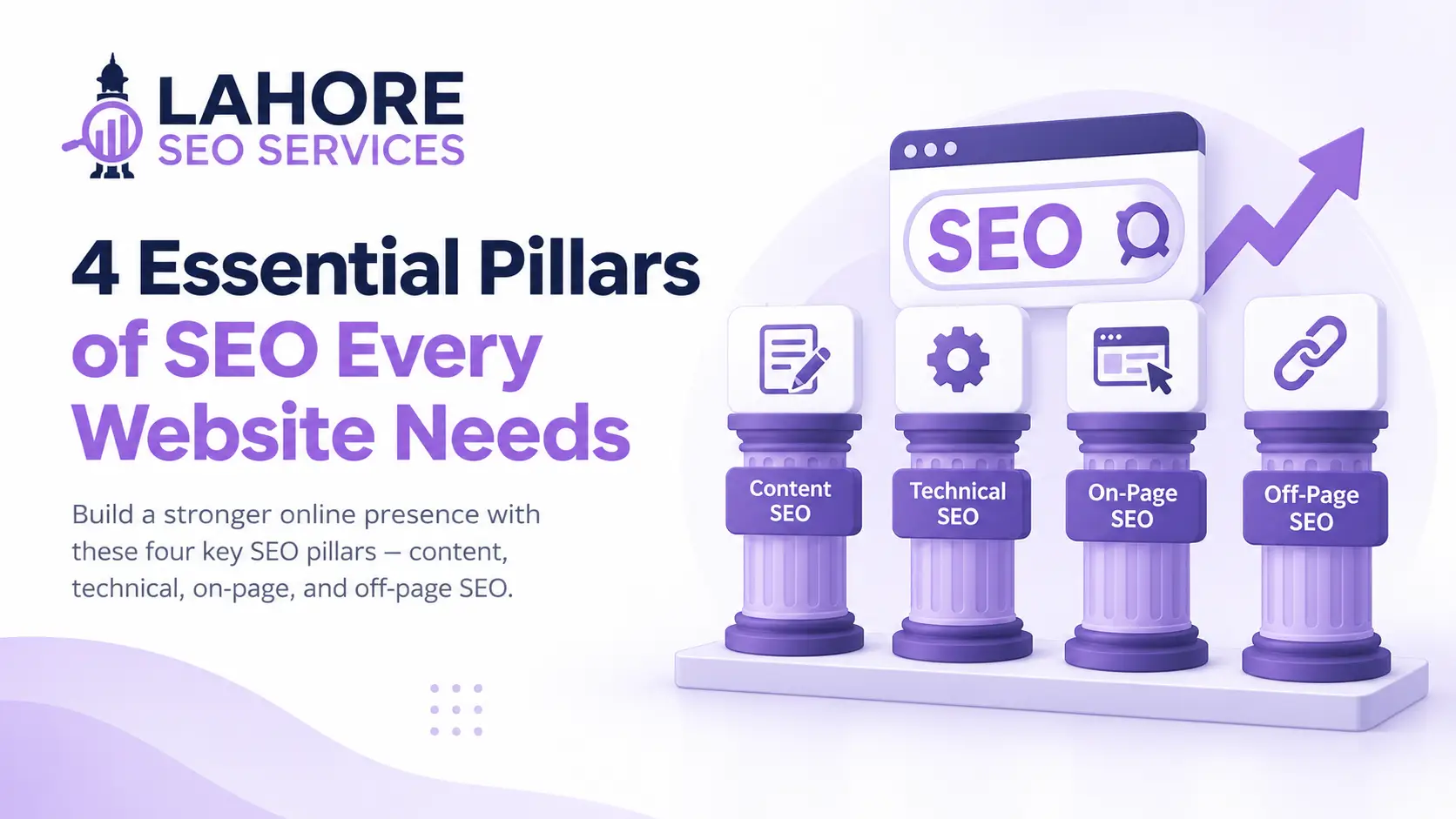
Creating useful content is only the beginning. If your pages are difficult to find, understand, or navigate, they may not perform well in search results.
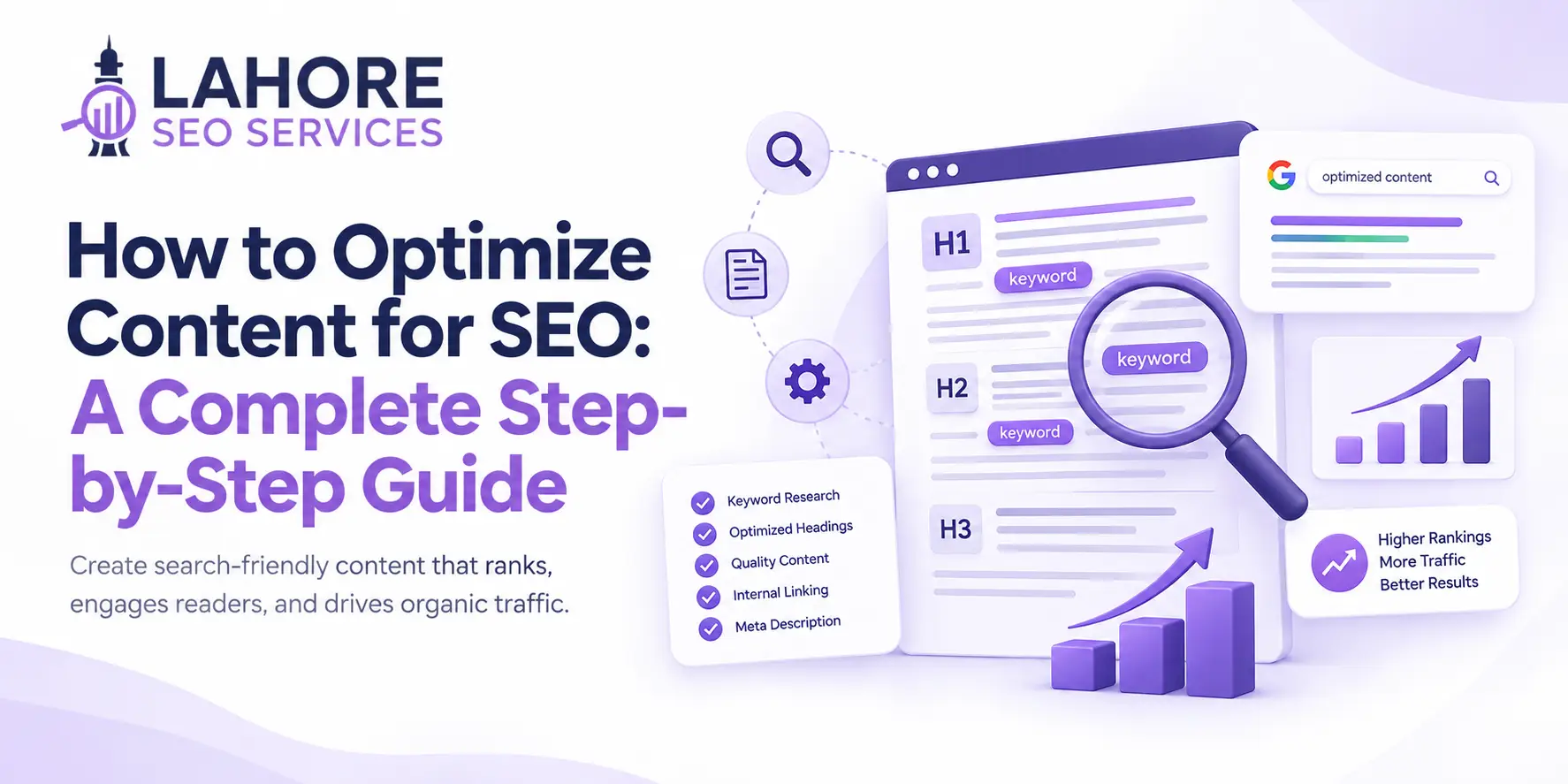
SEO content optimization helps your website content meet what users are searching for while making it easier for search engines to understand. It involves keyword research, search intent, content structure, internal linking, technical SEO, and regular updates.
The goal is not to fill your content with keywords. Instead, create useful and relevant information that answers questions, solves problems, and supports your business goals.
What Is SEO Content Optimization?
SEO content optimization is the process of improving website content so it can perform better in search engines while remaining useful for readers.
It can be applied to blog posts, service pages, product descriptions, landing pages, and other website content.
Effective optimization focuses on:
- Understanding the searcher’s needs
- Creating useful and accurate information
- Improving organic visibility
- Making content easy to read
- Supporting business conversions and SEO services
In simple terms, SEO content optimization connects what people search for with the information your website provides.
Why SEO Content Optimization Is Worth Your Time
Publishing content does not automatically mean it will rank. Search engines need to determine whether a page provides a useful answer to a particular search.
Optimized content can help you:
- Increase organic visibility
- Attract relevant traffic
- Match search intent
- Improve readability
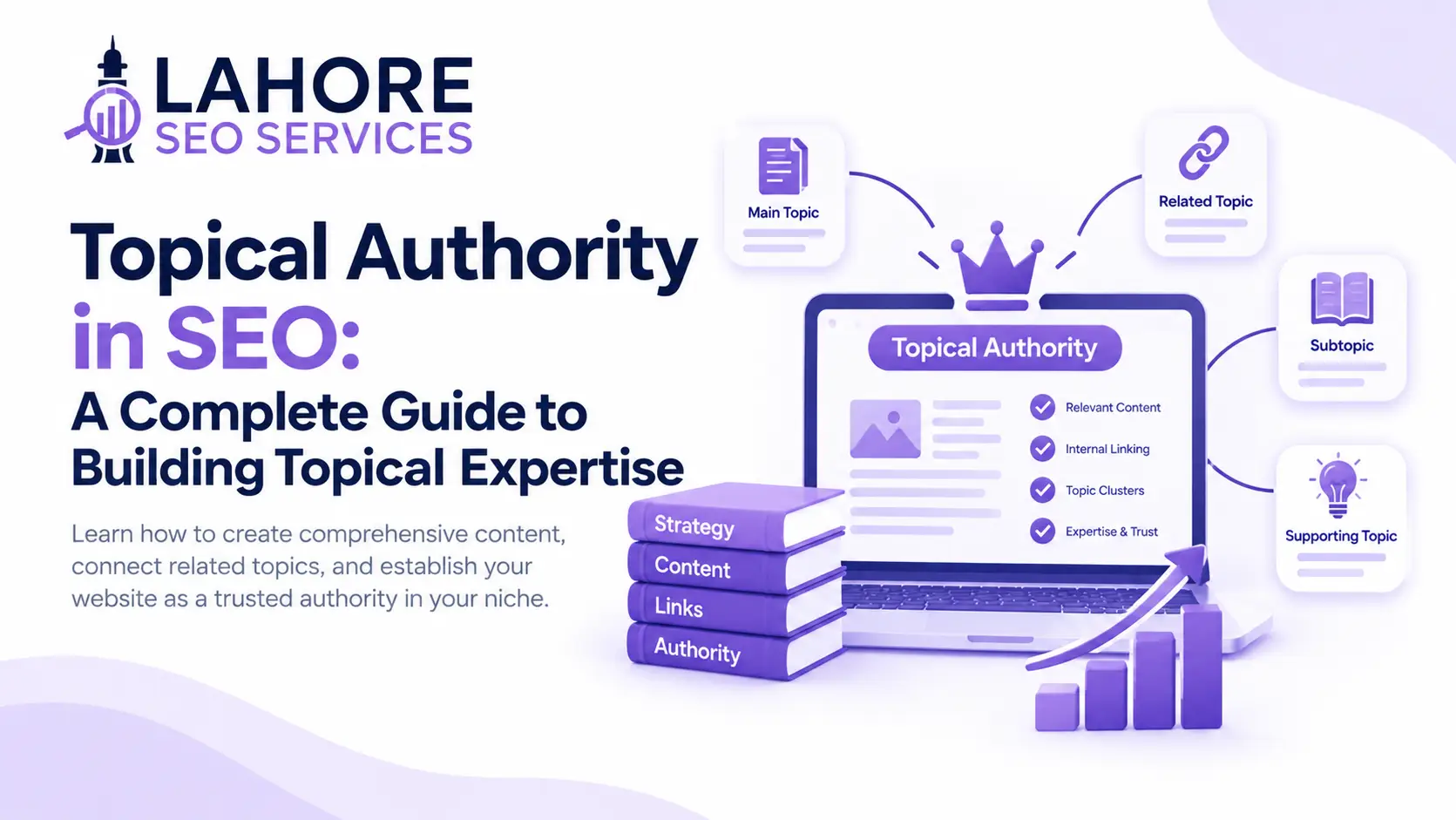
- Build topical authority
- Generate more conversions
When visitors quickly find useful information, they are more likely to stay on your website and explore other pages.
Proven Strategies to Optimize Content for SEO
Find Keywords That Match What People Are Searching For
Start with keyword research to understand what your audience is looking for. Look beyond search volume and consider relevance, competition, difficulty, and potential business value.
Search intent is just as important as the keyword itself.
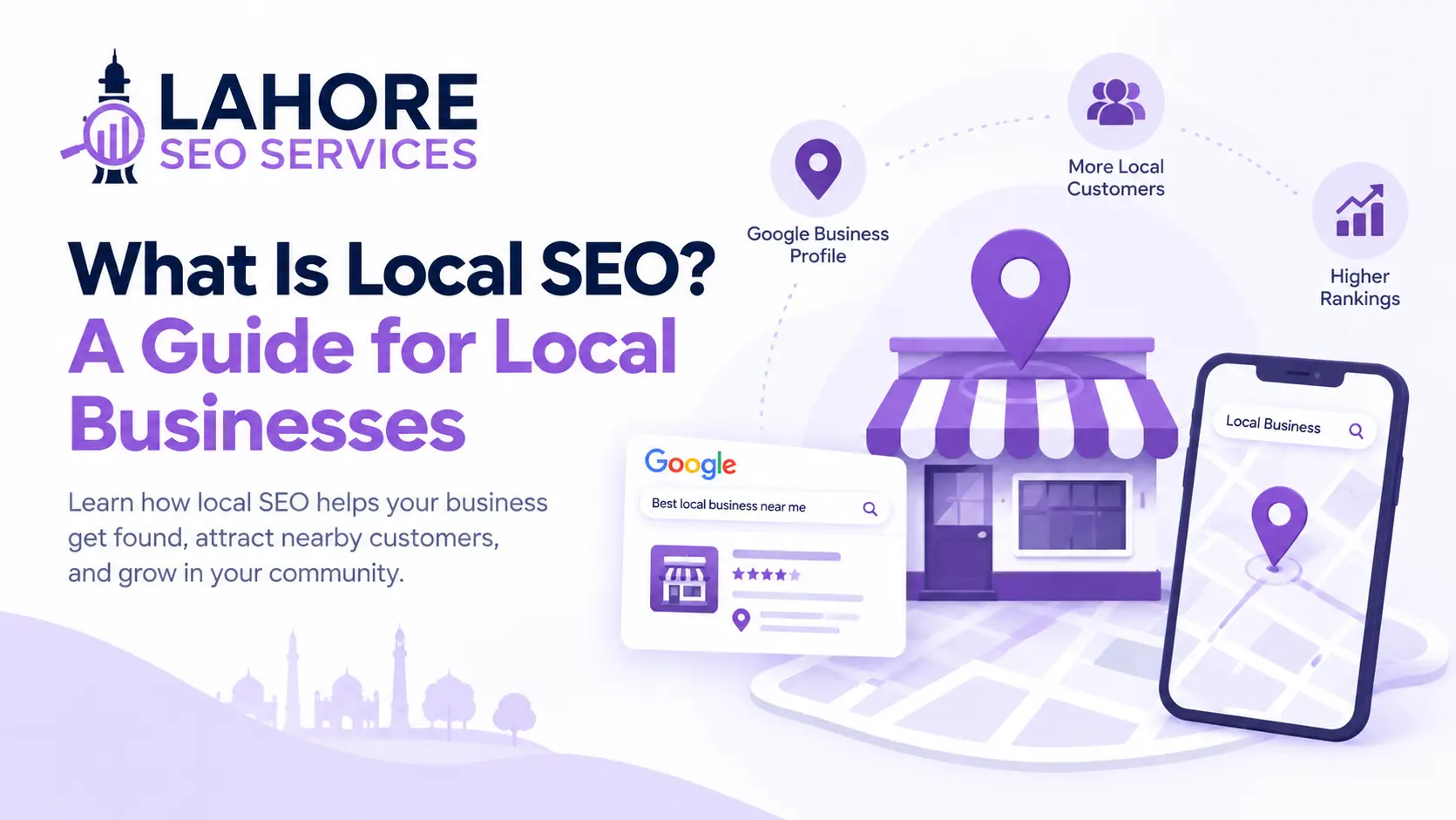
For example, someone searching “what is SEO” is probably looking for educational information, while someone searching “SEO agency near me” may be ready to hire a service provider.For businesses targeting local customers, understanding local SEO can also help when creating content around location-based searches.
Focus on Creating Valuable, Reader-First Content
Keywords alone cannot make weak content rank. Your page should provide genuine value and answer the reader’s questions clearly.
Good SEO content should be:
- Original
- Accurate
- Relevant
- Easy to understand
- Useful and practical
- Free from unnecessary filler
You can review competing pages to understand what users expect, but do not copy them. Look for information they have missed and add value through examples, practical advice, expert knowledge, or original insights.
Strategic Keyword Integration Without Keyword Stuffing
Strategic keyword integration requires placing target phrases naturally where they provide semantic value to readers and search engines, rather than artificially inflating keyword density. Modern search engines and AI retrieval models evaluate contextual relevance, entities, and LSI (Latent Semantic Indexing) keywords over exact-match repetition.
Core Best Practices for Natural Keyword Placement:
Avoid Keyword Stuffing Penalties: Refrain from overusing exact-match terms; repetitive keyword usage degrades readability and risks algorithmic quality penalties.
Primary Keyword Placement: Position your main target keyword in high-priority structural locations, including the H1 title, opening 100 words, subheadings (H2/H3), and concluding summary.
Semantic Variations & LSI Keywords: Incorporate related entities, synonyms, and contextual variations throughout the body text to establish topical depth without sounding repetitive.
Write for Search Intent & Readability: Prioritize reader experience by placing keywords only where they add clear informational value, strictly avoiding unnatural phrasing.
Organize Your Content for Better Readability
Most online readers scan content before deciding whether to read it fully. A clear structure makes it easier for them to find the information they need.
Use:
- Clear H1, H2, and H3 headings
- Short paragraphs
- Bullet points
- Descriptive subheadings
- Tables where useful
- Simple and direct language
A logical structure improves the user experience and helps search engines understand the relationship between different sections.
Write SEO-Friendly Titles, Meta Descriptions, and URLs
Your title tag should clearly describe the page and include the primary keyword naturally when appropriate.
A useful meta description summarizes what users can expect from the page and encourages them to click.
Keep URLs short, readable, and descriptive.
For example:
example.com/how-to-optimize-content-for-seo/
is clearer than a URL containing unnecessary numbers, symbols, or parameters.
Build Strong Connections with Internal Links
Internal links connect related pages on your website. They help visitors discover more information and help search engines understand your website structure.
For example, an article about SEO content optimization could link to related pages about keyword research, technical SEO, or eCommerce SEO.
Use relevant anchor text and link naturally rather than adding links simply to increase the number of links on a page.
Support Your Content with Trusted External Sources
External links can strengthen your content when they point to reliable and relevant sources.
Consider linking to official websites, research papers, government resources, industry publications, or trusted organizations when supporting important claims and statistics.
The purpose is to provide readers with useful supporting information, not to add unnecessary links.
Make Images and Visual Content SEO Friendly
Images, videos, infographics, and other media can make content more useful and engaging.
Optimize images by using descriptive filenames, meaningful alt text, suitable formats, and compressed file sizes.
Alt text should describe what the image shows rather than being filled with keywords.
For videos and podcasts, transcripts can also improve accessibility and provide additional text-based context.
Help Search Engines with Schema Markup
Schema markup, also called structured data, provides search engines with additional information about your page.
Depending on the content, you may use schema such as:
- Article
- Product
- Organization
- LocalBusiness
- Breadcrumb
- Event
Correctly implemented schema can help eligible pages appear with enhanced search features. However, the structured data must accurately represent the content on the page.
Keep Your Content Fresh and Up to Date
SEO does not stop when you publish an article. Information changes, links break, and search intent can evolve.
Review important pages regularly and update:
- Outdated facts
- Statistics
- Broken links
- Old examples
- Screenshots
- Missing information
Focus on meaningful improvements instead of simply changing the publication date.
Technical SEO Essentials That Improve Content Performance
Technical issues can prevent even good content from performing properly. Make sure search engines can access, crawl, and understand your pages.
Make Every Page Mobile Friendly
Your content should work properly across phones, tablets, and desktops.
Use responsive design, readable fonts, easy navigation, and properly sized images to provide a smooth mobile experience.
Improve Page Speed and Core Web Vitals
Slow pages can frustrate visitors and lead to poor engagement.
Compress images, use caching, reduce unnecessary code, and optimize scripts to improve loading performance.
Core Web Vitals also measure important aspects of page experience, including loading, responsiveness, and visual stability.
Ensure Search Engines Can Crawl and Index Your Content
Search engines need to crawl and index your pages before they can appear in search results.
Check for broken links, crawl errors, blocked resources, incorrect robots.txt settings, and indexing problems. Google Search Console can help identify many of these issues.
Avoid Duplicate Content with Canonical Tags
If multiple URLs contain very similar content, search engines may have difficulty determining which version to prioritize.
Canonical tags can indicate the preferred URL and help consolidate signals between similar pages.
Preparing Your Content for AI Search
AI-powered search is changing how users discover information. Clear, well-organized, and trustworthy content can make information easier for AI systems to understand and retrieve.
Give Clear and Direct Answers
Answer important questions directly instead of hiding the main point inside long paragraphs.
Use clear definitions, short explanations, lists, and descriptive headings to make important information easy to identify.
Strengthen Content with Entities and Semantic SEO
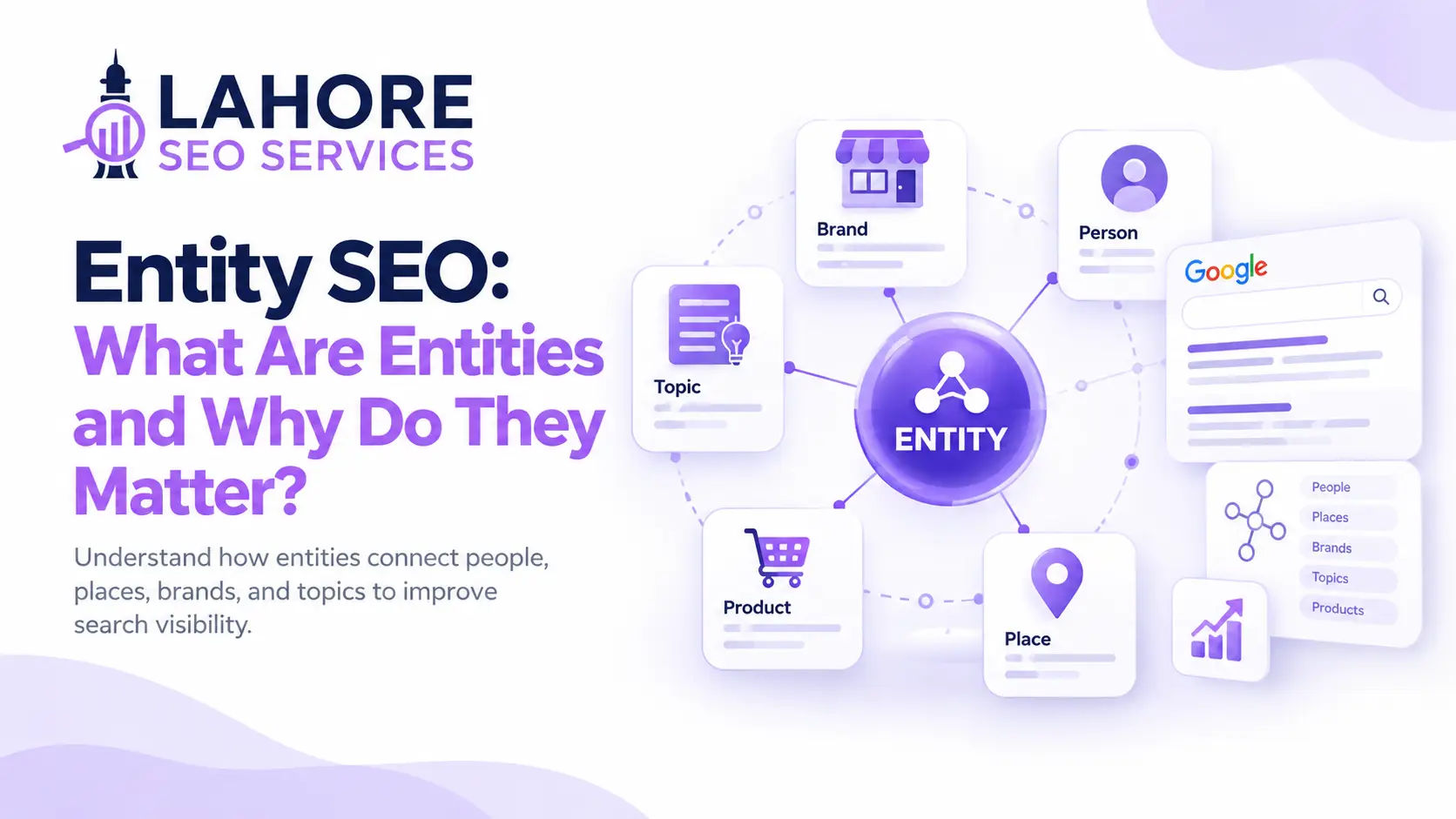
Search engines understand relationships between topics, concepts, entities, and keywords.
Instead of focusing on one keyword, naturally cover related terms, concepts, tools, organizations, and subtopics. This gives search engines better context about your subject.
Add Original Insights Backed by Credible Sources
Support important claims with trustworthy sources and add value through practical experience, expert insights, original examples, or research.
Unique information can help your content stand apart from pages that simply repeat what everyone else has already published.
Measuring the Impact of Your SEO Content
Optimization should be followed by performance tracking. Data can show which pages are working and which ones need improvement.
Track Rankings, Organic Traffic, and CTR
Use tools such as Google Search Console and Google Analytics to monitor:
- Keyword rankings
- Organic traffic
- Impressions
- Click-through rate
- Average search position
These metrics help you understand how people discover and interact with your content.
Measure User Engagement and Conversions
Traffic is useful, but it is not the only goal. Track actions that matter to your business, such as purchases, form submissions, signups, downloads, or consultation requests.
Audit and Refresh Content Regularly
Review pages that are losing traffic, ranking on the second page, receiving impressions but few clicks, or no longer matching search intent.
Improving existing content can sometimes deliver better results than publishing another new article. You can also review relevant SEO case studies to understand how different SEO strategies can affect search performance.
A Quick SEO Content Optimization Checklist
Before publishing or updating content, check that:
- The keyword matches search intent
- The content provides genuine value
- Keywords are used naturally
- Headings and paragraphs are easy to scan
- Title, meta description, and URL are optimized
- Relevant internal and external links are included
- Images have descriptive alt text
- Appropriate schema is implemented
- The page is mobile friendly
- Technical SEO issues are addressed
- Information is accurate and current
- The content supports a clear business goal
Frequently Asked Questions
What does SEO content optimization mean?
SEO content optimization means improving website content to rank better in search engines while keeping it useful, relevant, readable, and valuable for readers. The goal is to naturally meet search engine requirements while providing a positive user experience.
What are the most effective ways to optimize content for SEO?
The most effective ways include understanding search intent, conducting keyword research, creating helpful content, and improving readability and titles. You should also use internal links, descriptive URLs, optimized images, and basic technical SEO practices.
Why is search intent important for SEO?
Search intent explains what users expect to find when they perform a search. Matching your content with their intent makes the information more relevant and useful to their needs. This can improve user satisfaction and increase your chances of performing well in search results.
When should you update SEO content?
You should update SEO content when information becomes outdated or when rankings and organic traffic begin to decline. Content should also be refreshed when search intent changes or new information becomes available.
How can you optimize content for AI search?
Use clear answers, logical headings, relevant entities, related concepts, credible sources, and original insights. Well-structured content is easier for both users and AI-powered search systems to understand.