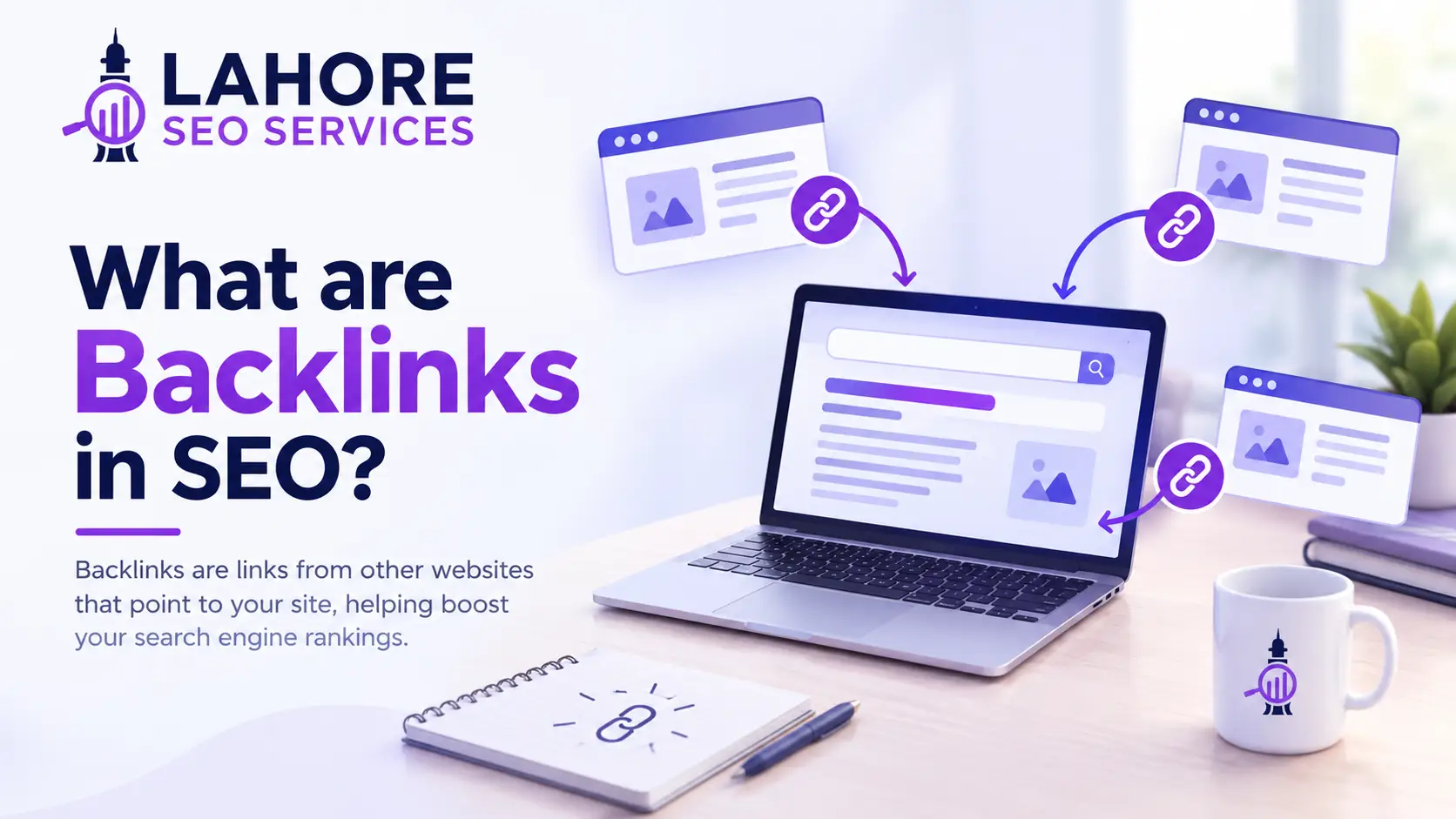
Backlinks are links from external websites to pages on your website. Search engines use links to discover pages and understand relationships between websites. However, backlinks do not all carry the same purpose or SEO value. A relevant editorial link can support authority, while a manipulative link can violate spam policies.
Understanding the different types of backlinks helps you build a cleaner off-page SEO strategy.
What Are Backlinks in SEO?
A backlink is a hyperlink on one website that points to a page on another website. If Website A links to Website B, Website B receives a backlink.
Backlinks can help search engines discover content and understand relationships across websites. Links can also send referral visitors directly to your pages. Value depends on relevance, placement, source quality, anchor text, and link attributes.
A strong backlink is relevant to the linked page, placed naturally within useful content, and earned without manipulating search rankings. A large number of irrelevant or artificial links does not automatically create a stronger SEO profile.
Why Do Backlinks Matter for SEO?
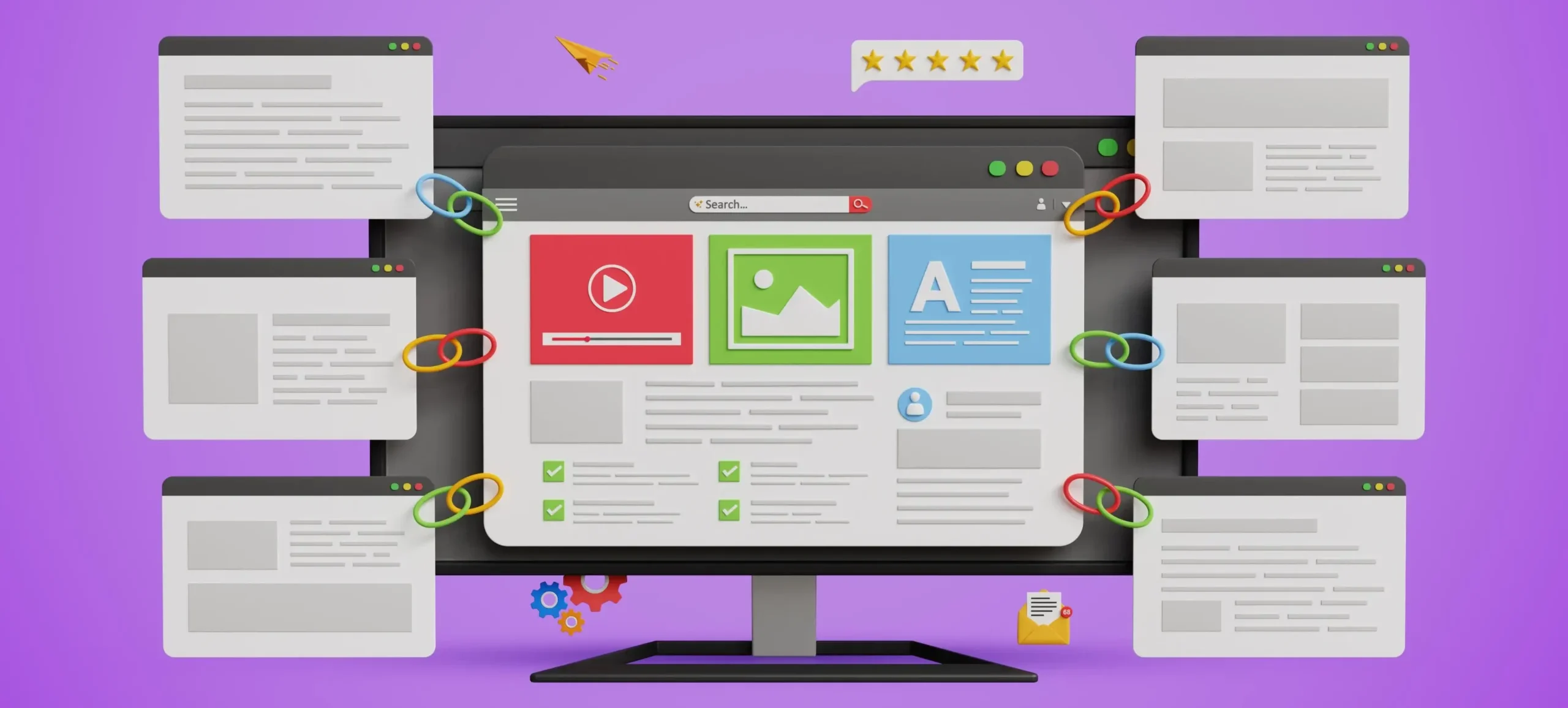
Backlinks matter because links can contribute to discovery, referral traffic, and signals about page prominence. Search engines can use links to find URLs and understand relationships across the web.
The goal is not to collect the highest possible number of backlinks. Earn relevant links that make sense for users and support the receiving pages. For a broader understanding of backlinks in SEO, review the different ways links can be earned and evaluated.
Types of Backlinks by Link Attribute
The main attribute-based types are dofollow, nofollow, sponsored, and user-generated content (UGC) links.
1. Dofollow Backlinks
A dofollow backlink is the standard hyperlink without a qualifying rel attribute such as nofollow, sponsored, or ugc. “Dofollow” is an informal SEO term rather than an official HTML link type.
A normal link can help search engines discover the destination and may contribute to signals used for ranking. The effect depends on the quality, relevance, context, and other characteristics of the link.
For example:
Visit the website
A useful dofollow backlink usually comes from a relevant page and fits naturally within the content. Do not judge a link only by its technical attribute.
2. Nofollow Backlinks
A nofollow backlink uses rel=”nofollow” to indicate that the publisher does not want the link treated as a normal editorial endorsement.
Example:
Visit the website
Nofollow links can still send referral traffic and expose your brand. The attribute mainly communicates the publisher’s intended relationship with the destination.
3. Sponsored Backlinks
A sponsored backlink uses rel=”sponsored” to identify a link created as part of advertising, sponsorship, or another paid arrangement.
Example:
Sponsored resource
Paid placements should use appropriate attributes. Buying links to manipulate rankings creates a search spam risk, while legitimate sponsorships can provide advertising exposure and referral traffic.
4. UGC Backlinks
A UGC backlink appears in user-generated content, such as forum posts, comments, or community contributions. Publishers can use rel=”ugc” to identify links created by users.
Example:
Helpful resource
UGC attributes distinguish community-created links from editorial links and help control user-generated link spam.
Types of Backlinks by Placement and Acquisition
Backlinks can also be classified by where they appear and how you earn them.
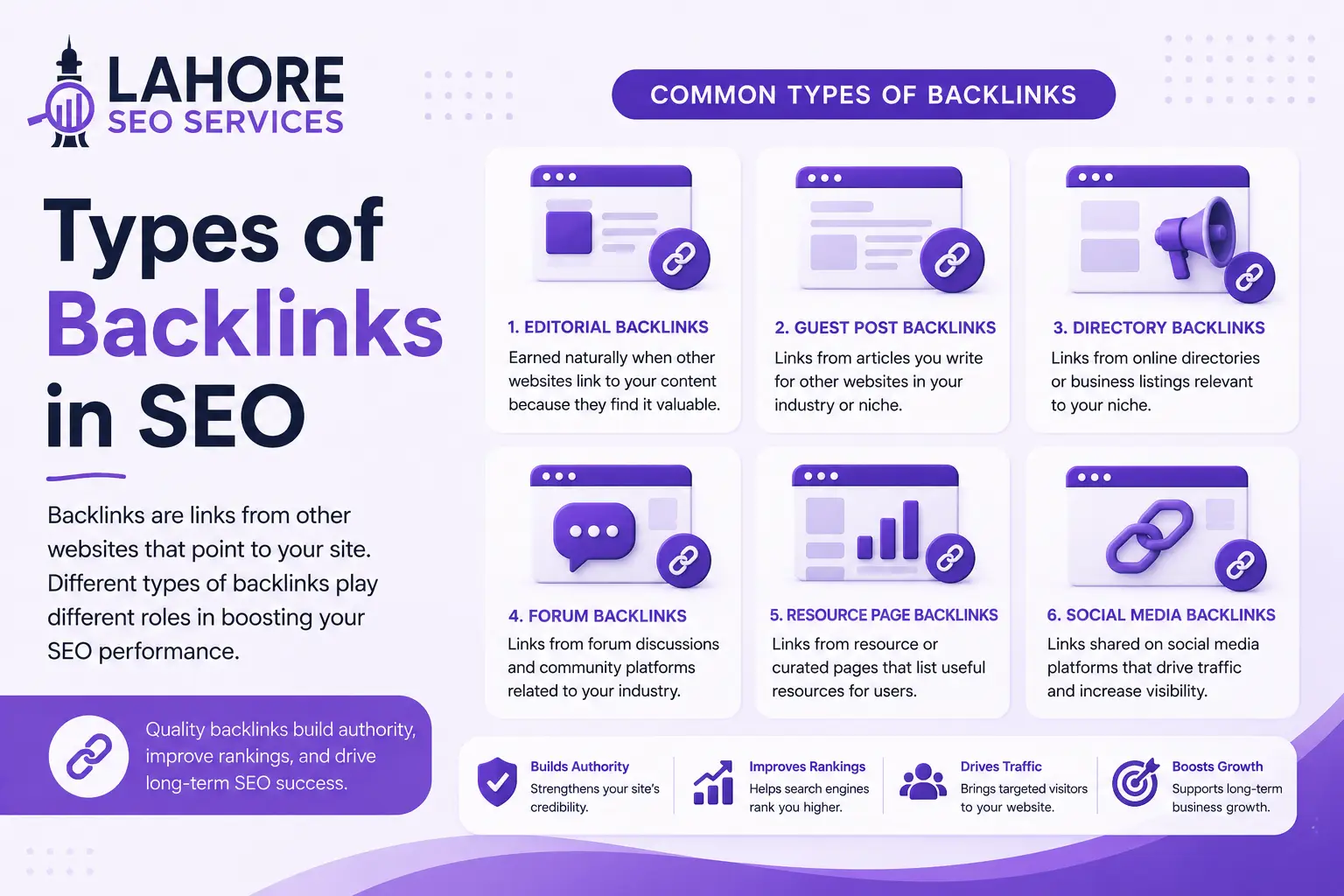
5. Editorial Backlinks
Editorial backlinks are links that publishers include because a page provides useful evidence, research, data, tools, or information for readers. These links often appear in articles, guides, news coverage, and industry publications.
Editorial links can be difficult to earn because another publisher must decide that your resource deserves a citation. Original research, statistics, expert commentary, calculators, and detailed guides can create opportunities for coverage.
6. Contextual Backlinks
Contextual backlinks appear naturally within the main body of relevant content. The surrounding text gives users and search engines meaningful information about the destination.
For example, an article about technical SEO may naturally link to a crawlability guide. The relevance between source topic, anchor text, and destination makes the link useful.
Context matters more than simply placing a link inside an article. An unrelated link inserted into an otherwise relevant page does not become valuable merely because the link is surrounded by paragraphs.
7. Guest Post Backlinks
Guest post backlinks come from articles you contribute to another website. Guest posting can build exposure, relationships, referral traffic, and links when the host has a genuine audience and relevant editorial standards.
Avoid mass guest posting on websites created mainly to sell links. A guest article should provide value rather than exist only to place optimized anchor text.
8. Niche Edit Backlinks
Niche edits, also called link insertions or curated links, involve adding a backlink to an existing article or resource page. The destination should genuinely strengthen the existing content.
A relevant insertion can provide contextual exposure, but paid placement must follow search engine guidelines. Do not judge an article only by third-party authority metrics.
9. Directory and Business Profile Backlinks
Directory backlinks come from business listings, industry directories, local platforms, and professional profiles. Examples include reputable local directories, trade associations, and business platforms.
These links can support local discovery and referral traffic, particularly as part of local SEO when legitimate business listings are relevant to the company. Consistent business information across legitimate listings can strengthen local search signals. Avoid low-quality directories created solely for links.
10. Forum and Comment Backlinks
Forum and comment backlinks appear in community discussions, blog comments, and question-and-answer platforms. These links often use nofollow or UGC attributes.
A forum link can help when it directly answers a question. Promotional comments and automated submissions can become spam.
11. Image Backlinks
Image backlinks point from an image, image credit, caption, or surrounding page to your website. Photographers, designers, publishers, and businesses can earn these links when other websites use original visual assets.
Original charts, photographs, diagrams, and branded resources can create legitimate image-link opportunities. The link should provide genuine attribution or useful information.
12. Video Backlinks
Video backlinks come from video descriptions, creator pages, show notes, or websites that embed or reference your video content. YouTube, Vimeo, and other platforms can generate referral opportunities.
Video links can increase brand exposure and direct viewers to relevant pages, especially when the destination provides useful supporting information.
13. Resource Page Backlinks
Resource page backlinks come from pages that curate useful tools, guides, organizations, or references around a specific subject. Your resource has a stronger chance of inclusion when the resource page serves the same audience and your content fills a genuine information gap.
Original research, calculators, templates, checklists, and authoritative guides can qualify for these opportunities.
14. Testimonial Backlinks
A testimonial backlink can result when a company publishes your genuine testimonial with an attribution link.
Provide testimonials only for products or services you have genuinely used. A testimonial should not become a disguised link scheme.
15. Podcast and Webinar Backlinks
Podcast and webinar backlinks can appear in episode pages, show notes, speaker profiles, or registration pages. These links can generate targeted referral traffic.
Audience relevance, referral potential, brand exposure, and content quality can matter independently of the link attribute.
16. Digital PR Backlinks
Digital public relations (PR) backlinks can come from online news coverage, expert commentary, original data, interviews, and industry publications. Digital PR works best when journalists and publishers can independently reference newsworthy information.
Original studies, local market data, expert analysis, and timely research can create legitimate media opportunities without purchasing ranking influence.

Good Backlinks vs Harmful Backlinks
A good backlink supports relevance, usefulness, and legitimate discovery, while a harmful link often reflects manipulation, spam, or irrelevant placement.
Useful signals include:
- Relevant source and destination topics
- Natural placement within useful content
- Descriptive, varied anchor text
- Genuine editorial or business context
- Real potential for referral traffic
- A credible and established linking website
Risk indicators include:
- Bulk link purchases intended to manipulate rankings
- Links from obvious link farms
- Automated forum or comment spam
- Hidden links in widgets or sitewide elements
- Excessive exact-match anchor text
- Large numbers of irrelevant domains
Do not judge a backlink as harmful solely because the linking domain looks unfamiliar. Review the context, purpose, relevance, and link pattern before taking action.
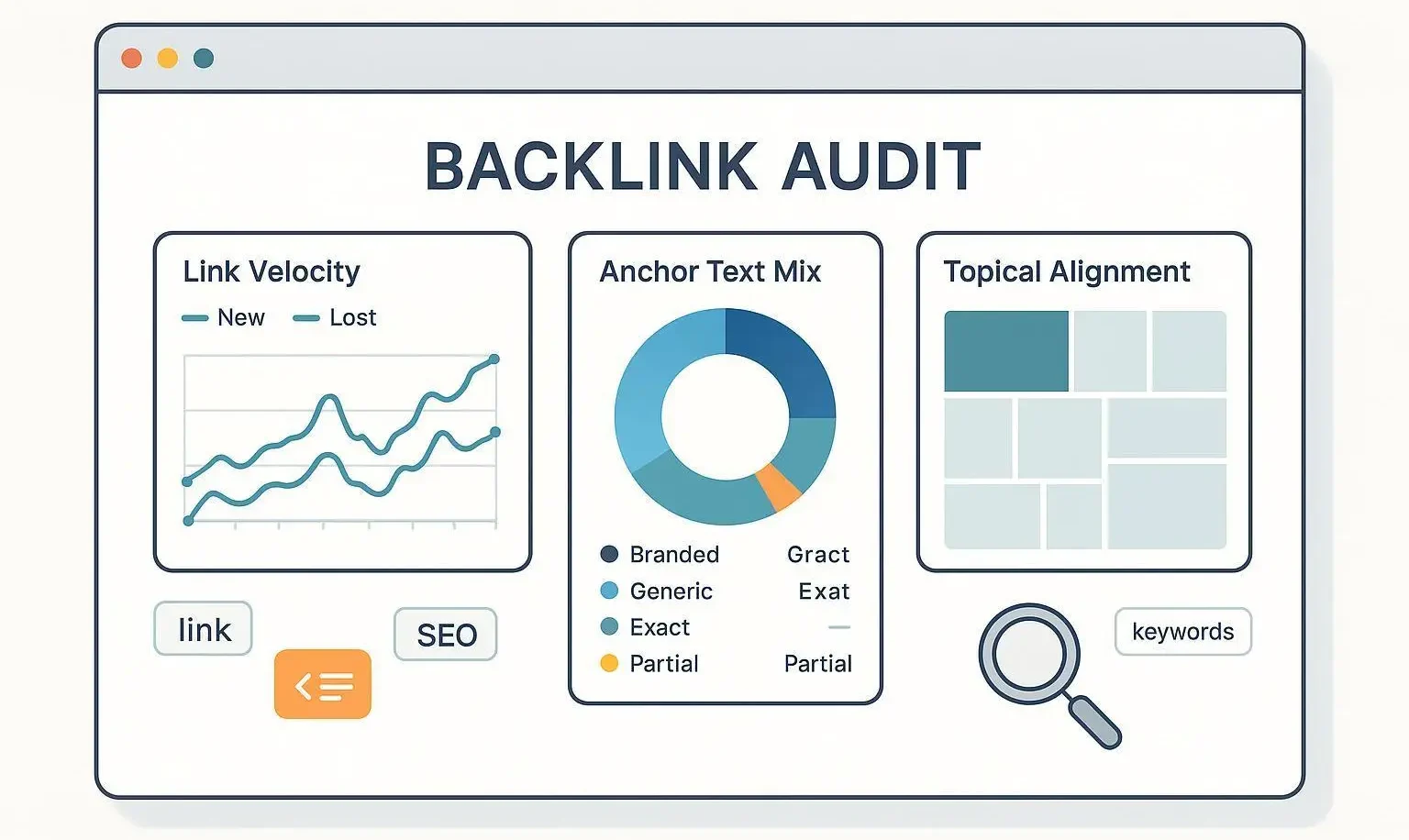
What Makes a Backlink Valuable?
Relevance, context, source quality, placement, and legitimate acquisition determine backlink value more effectively than backlink count alone.
Relevance connects the linking page with the destination topic. Page-level quality matters because a link from a useful, established page can provide stronger contextual value than a link from an irrelevant page. Anchor text should describe the destination naturally without excessive keyword repetition.
Placement matters too. A contextual link within useful editorial content generally provides more meaningful user value than a link buried in an unrelated footer or widget.
Third-party metrics can help compare prospects, but they are not Google ranking factors. Use metrics as screening tools, not substitutes for manual checks.
Backlinks That Can Harm SEO
Manipulative backlinks can create search spam risks when websites build or buy links primarily to influence organic rankings.
Paid links intended to pass ranking credit without appropriate qualification can violate search engine spam policies. Private Blog Networks (PBNs), automated link spam, hidden widget links, and large-scale irrelevant link schemes are common risk areas.
A sudden collection of spam links does not automatically mean a penalty occurred. Review the profile before taking action.
How to Build Better Backlinks
Create assets that other websites have a practical reason to cite, then promote those assets through relevant relationships and outreach.
Start with original research, useful data, expert insights, tools, templates, or detailed explanations. Identify publishers whose audiences need those resources.
Use personalized outreach rather than mass emails. Explain why a resource improves a specific page, and build relationships with relevant journalists, editors, organizations, suppliers, and publishers.
For local SEO, claim legitimate business profiles and maintain consistent business information. For digital PR, develop data or expert commentary that publishers can reference.
Monitor acquired and lost backlinks to identify successful content, broken links, unusual patterns, and outreach opportunities.
How to Check Your Backlinks
Google Search Console provides a free Links report with detected linking websites and linked pages. Third-party tools can add anchor text, link attributes, referring pages, lost links, and prospect metrics.
Review backlink sources regularly, but focus first on patterns that indicate deliberate manipulation or large-scale spam.

Final Takeaway
Backlink types serve different purposes. Dofollow, nofollow, sponsored, and UGC describe link relationships, while editorial, contextual, guest post, directory, image, video, resource, and digital PR describe placement or acquisition.
A sustainable strategy prioritizes relevant, useful, naturally earned links. Build a highly relevant profile that supports users, strengthens relevance, earns legitimate references, and creates referral opportunities.
For Lahore SEO Services, link building should support content optimization, technical SEO, local SEO, and digital PR.
Frequently Asked Questions
How many backlinks do I need to rank on Google?
There is no fixed backlink number that guarantees rankings. Competition, search intent, content quality, relevance, authority, and the strength of competing pages all affect ranking performance. Focus on earning relevant, credible links instead of targeting an arbitrary backlink count.
Are nofollow backlinks completely useless for SEO?
No, nofollow backlinks are not completely useless. Nofollow links can generate referral traffic, brand exposure, discovery, and secondary link opportunities. The nofollow attribute signals a specific relationship and does not prevent users from clicking the link.
Can bad backlinks hurt your website?
Yes, manipulative backlink patterns can create SEO risks. Search engines can ignore many unwanted links automatically, but deliberate link schemes can violate spam policies. Review suspicious patterns in context instead of assuming every unfamiliar backlink is harmful.
What is the best type of backlink to get?
A relevant, naturally earned editorial backlink can provide strong SEO and referral value. The strongest opportunities usually combine topical relevance, useful placement, credible source quality, natural anchor text, and a legitimate reason for the publisher to reference your page.
Is buying backlinks safe?
No, buying backlinks to manipulate organic rankings is not a safe SEO practice. Paid placements should use appropriate link attributes such as sponsored where applicable. Focus on useful content, legitimate digital PR, relationships, and editorial outreach instead of ranking manipulation.