
A guest post in SEO is an article you write for another relevant website to reach a new audience, build brand authority, and earn a backlink when the publisher allows one. Guest posting can support off-page Search Engine Optimization (SEO), but results depend on relevance, editorial quality, and natural link placement. Guest posting works best as part of a broader link-building and content marketing strategy.
What Is a Guest Post?
A guest post is original content published on a website that you do not own. The contributor usually provides useful information for the host site’s audience and may receive an author bio, brand mention, or contextual link to a relevant page.
For example, an SEO agency can write an article about technical SEO for a digital marketing publication. The article can include a natural link to a detailed service guide or research page on the agency’s website.
Guest posting in SEO therefore has two connected purposes: provide value to another audience and create a legitimate opportunity for discovery. The backlink matters, but the quality and relevance of the publishing website matter more than simply obtaining a link.
How Does Guest Posting Work?
Guest posting starts with prospect research. You identify websites that publish content related to your niche, industry, or audience. You then review editorial standards, existing articles, organic visibility, outbound links, and overall website quality.
The next step is outreach. You contact the editor or site owner with a specific topic that fits the publication. A successful pitch explains the proposed value rather than focusing only on your desired backlink.
After approval, you create the article according to the publisher’s requirements. The editor reviews the content, requests changes when necessary, and publishes the final version. Any backlink should fit the surrounding discussion naturally and lead to a genuinely useful page.
Why Guest Posting Still Matters for SEO
Guest posting can support SEO because relevant editorial coverage can generate referral traffic, brand exposure, and backlinks. A backlink from a credible, topically relevant website can help search engines discover relationships between websites and pages, while readers can use the same link to reach your site.
Guest posting should not be treated as a guaranteed ranking shortcut. Search engines evaluate links within a broader system that includes relevance, content quality, page usefulness, and signals associated with spam or manipulation.
The strongest campaigns therefore prioritize publishing useful articles on legitimate websites rather than producing large volumes of low-quality placements.
What Are the Main Benefits of Guest Posting?
Guest posting can provide four practical benefits when the campaign targets relevant publications.
Backlinks: A relevant editorial link can strengthen your site’s link profile and support discovery of important pages.
Referral traffic: Readers can click a contextual link and reach your website directly, creating measurable referral sessions.
Brand visibility: Publishing on established industry websites places your brand in front of people who already care about your subject.
Authority building: Consistent expert contributions can strengthen professional credibility with readers and publishers, especially when articles demonstrate genuine experience and useful knowledge.
Guest posting can serve SEO and marketing goals without reducing every placement to a backlink transaction.
How to Find the Right Guest Posting Opportunities
Start with topical relevance by using search query research to understand the subjects and questions your target audience cares about. A relevant publication gives the article a logical context and makes a referral more useful to readers.
Next, inspect the website manually. Check recent publishing activity, article quality, author information, audience fit, search visibility, and outbound-link patterns. SEO tools such as Ahrefs, Semrush, and Moz can provide useful metrics, but metrics should support manual review rather than replace it.
Review the site’s backlink profile as well. A website that publishes unrelated articles, accepts excessive promotional content, or shows obvious signs of artificial link activity may provide limited value.
Competitor backlink research can reveal potential publishers. Instead of copying every competitor placement, assess whether each domain genuinely matches your niche and editorial requirements.
How to Create a Guest Post
To create a guest post, choose a topic that solves a specific problem for the host site’s audience. Research the publication before writing so the article matches the site’s depth, tone, formatting, and search intent, while following sound content optimization practices.
Build a clear structure with one focused title, useful subheadings, concise paragraphs, concrete examples, and accurate information. Avoid writing a sales page disguised as an article. The host site’s readers should receive meaningful information even without clicking your link.
Use anchor text naturally. Descriptive phrases can explain the destination, while branded or broader wording can prevent repetitive exact-match patterns. Link only when the destination adds genuine value to the surrounding content.
Before submission, check grammar, factual accuracy, formatting, references, images, and the publisher’s guidelines. A clean submission reduces editorial work and improves the professional quality of the contribution.
What Makes a High-Quality Guest Post?
A high-quality guest post has three defining characteristics: audience relevance, original value, and natural editorial integration.
Audience relevance means the subject belongs on the host website. Original value means the article provides useful information rather than rewriting material that readers can find everywhere. Editorial integration means the article and its links fit naturally into the publisher’s content.
Strong guest posts may include original examples, practical processes, first-hand experience, research findings, expert commentary, or useful frameworks. Every section should serve the reader’s search intent.
The backlink should remain secondary. When the article exists mainly to insert a keyword-rich link, the placement can look promotional or manipulative.
What Is Guest Post Outreach?
Guest post outreach is the process of contacting relevant publishers to propose content contributions. Effective outreach is personalized and concise.
Start by identifying the editor or appropriate contact. Mention a recent article, explain why your proposed topic fits the audience, and provide a brief description of the value the article will deliver. Include previous work when examples demonstrate relevant expertise.
Avoid sending identical messages to hundreds of websites. Mass outreach often produces poor personalization and weak publisher relationships. A smaller prospect list can create more relevant opportunities.
Follow up professionally according to the publisher’s likely response time. Repeated messages within short intervals can create unnecessary pressure and damage the relationship.
Guest Posting and Anchor Text
Anchor text is the clickable wording used for a hyperlink. In guest posting, anchor text should describe the linked page naturally and fit the sentence around the link.
Avoid using the same exact commercial keyword across every placement. A natural link profile can contain branded terms, page titles, partial-match phrases, descriptive wording, and other contextually appropriate anchors.
The destination page matters as much as the anchor. A link should lead to content that expands on the statement or solves the reader’s next question. Linking to an unrelated homepage solely because the homepage is the primary business URL reduces contextual value.
Guest Posting vs. Other Link-Building Methods
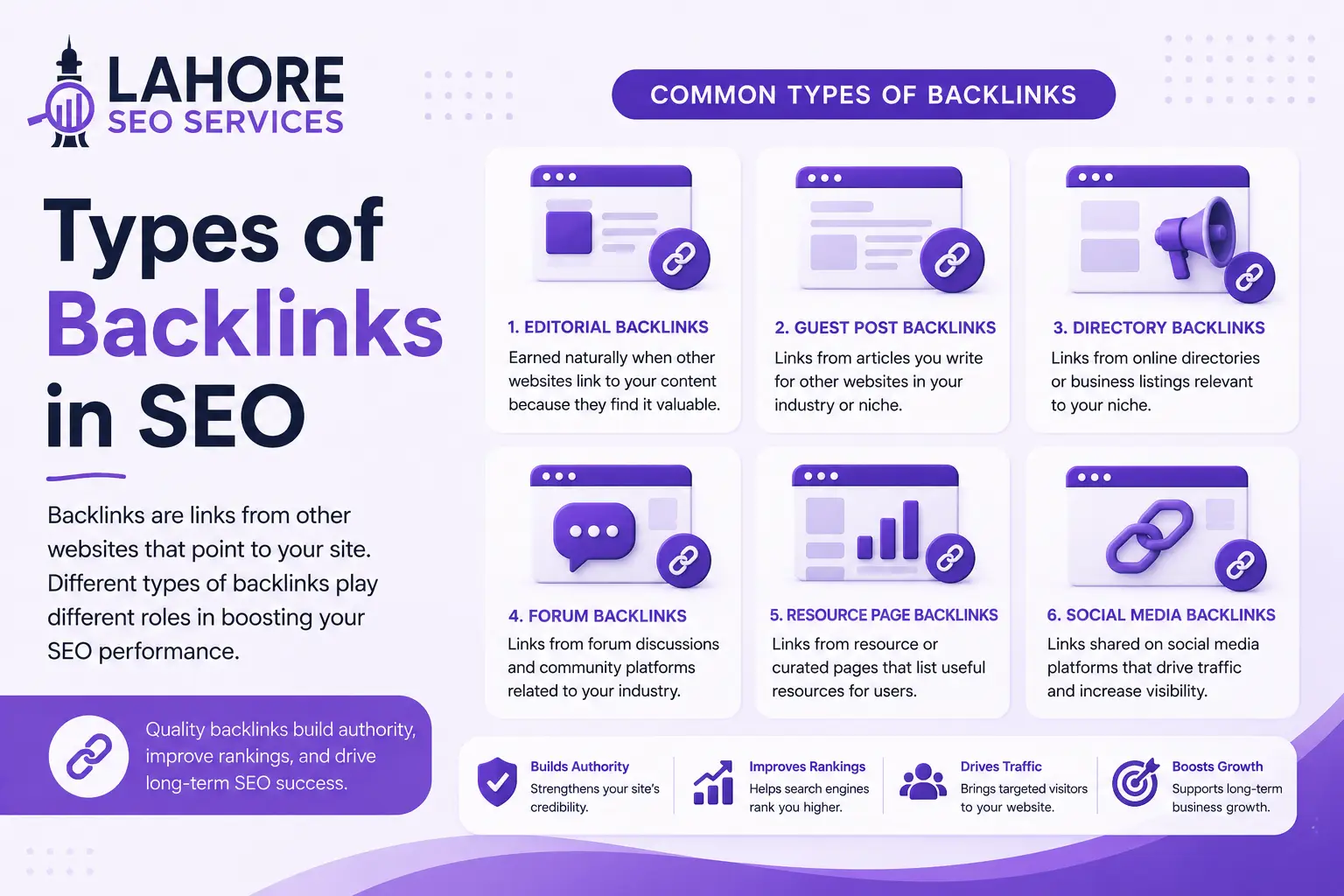
Guest posting is one form of off-page SEO, not a complete link-building strategy. Other methods include digital public relations, resource-page outreach, linkable assets, expert contributions, partnerships, local SEO, local citations, and legitimate industry directories.
Guest posting provides direct control over the article topic and context. Resource outreach depends on existing pages, while digital public relations often earns mentions through newsworthy research or expert commentary.
A balanced strategy selects methods according to the website, audience, industry, and resources. No single link-building method can replace strong content, technical SEO, internal linking, and a useful website.
Paid Guest Posts and SEO Risk
Paid guest posting requires careful evaluation. Paying for publication does not automatically make a placement valuable or harmful; the important factors include publisher quality, relevance, disclosure, and whether the arrangement exists primarily to manipulate search rankings.
Google’s spam policies distinguish legitimate advertising and sponsorship from link schemes intended to manipulate rankings. Paid or sponsored links may require appropriate link attributes, depending on the relationship and implementation.
Avoid publishers that sell placements indiscriminately, publish unrelated topics, or create articles mainly for outbound links. A genuine publication should provide audience value independently of the backlink.
Common Guest Posting Mistakes to Avoid
Five mistakes frequently weaken guest posting campaigns.
Choosing irrelevant websites: A large metric cannot compensate for poor topical relevance.
Using aggressive anchor text: Repeating exact-match commercial phrases across placements can create an unnatural pattern.
Publishing thin content: Short, generic articles rarely provide enough value for readers or publishers.
Buying bulk placements: Large quantities of low-quality links can create unnecessary SEO risk.
Ignoring editorial standards: Content that does not match the host site’s requirements is more likely to be rejected or edited heavily.
Guest posting works better when every placement receives the same attention you would give an important article on your own website.
How Does Guest Posting Fit Into a Broader SEO Strategy?
Guest posting should support pages that already deserve visibility. Before outreach, strengthen the destination page with useful content, internal links, search intent alignment, and a strong SEO foundation.
Choose guest post topics that connect naturally with your website’s core subject areas and support topical authority. This approach can reinforce topical relationships while creating relevant referral paths.
Track placements in a simple campaign record. Record the publisher, publication date, target URL, anchor text, link attribute, referring page, and referral traffic. Review outcomes rather than published article count.
Is Guest Posting Still Effective for SEO in 2026?
Yes, guest posting can still be effective for SEO in 2026 when publishers, topics, links, and content meet quality and relevance standards. The practice is less useful when campaigns rely on scaled, low-quality publishing designed mainly to obtain backlinks.
Modern guest posting should therefore focus on editorial value, niche relevance, real audiences, and publications. A useful article can earn referral visits and brand exposure even when a publisher does not provide a ranking-passing link.
How Can Lahore SEO Services Help?
Lahore SEO Services can use guest posting as part of a structured off-page SEO campaign that combines publisher research, outreach, content creation, anchor-text planning, and backlink monitoring.
The process begins by evaluating websites for content quality, topical alignment, organic visibility, and outbound links. Content is then developed for the host audience rather than written solely around a target backlink.
The objective is a campaign where each placement has a clear purpose, relevant destination, and measurable value.
Final Thoughts
Guest posting in SEO means publishing useful content on another website to reach a relevant audience, build brand visibility, and potentially earn a valuable backlink. The method works best when relevance and editorial quality guide every decision.
Focus on legitimate publishers, useful topics, natural anchors, strong destination pages, and careful measurement. Avoid bulk placements, irrelevant websites, thin articles, and manipulative link patterns.
A successful guest posting strategy does not depend on publishing the most articles. The strategy depends on earning relevant placements that make sense for readers, publishers, and your wider SEO objectives.
Frequently Asked Questions
What are some good guest posting sites for SEO?
Good guest posting sites for SEO are relevant, active publications with genuine audiences, quality editorial standards, and healthy search visibility. Evaluate niche alignment, content quality, organic traffic, outbound-link patterns, and publishing consistency before submitting any guest post.
How to create a guest post?
To create a guest post, choose a relevant topic, study the publisher’s audience and guidelines, write original useful content, add natural contextual links, and proofread the article before submission. Match the host site’s tone, structure, formatting, and editorial requirements.
Is guest posting still effective for SEO?
Yes, guest posting remains effective for SEO when placements are relevant, editorially appropriate, and useful to readers. Quality guest posts can generate referral traffic, brand exposure, and relevant backlinks, while scaled low-quality publishing can create spam risks and limited SEO value.
Are guest posts good for building backlinks?
Yes, guest posts can support backlink building when publishers are relevant, reputable, and editorially selective. A useful article can earn a contextual backlink that supports discovery, referral traffic, and brand visibility. Avoid paid or manipulative placements designed primarily to influence rankings.