Off-page Search Engine Optimization (SEO) helps your website build authority, trust, and visibility through activities outside your own pages. A complete off-page seo checklist covers backlink audits, competitor research, digital public relations, business reviews, local citations, social media engagement, and content promotion.
For businesses, effective off-page SEO means earning relevant links, maintaining a credible online presence, and building relationships with trusted websites. This checklist explains how to identify weaknesses, find link-building opportunities, and strengthen your website’s search performance without relying on spammy tactics.
Off-Page SEO Checklist: 12 Essential Steps
1. Audit Your Existing Backlink Profile
Start by identifying which websites link to your domain, which pages receive links, and whether the links appear relevant and trustworthy. A link audit establishes your current position before you launch a link-building campaign.
Use Google Search Console to review available linking domains, linked pages, and anchor text. Ahrefs, Semrush, and Moz Link Explorer can provide additional backlink data.
Evaluate each important link for:
- Relevance of the linking website and page.
- Quality of the surrounding content.
- Anchor text and destination URL.
- Editorial placement and link attributes.
- Signs of automated link schemes.
Classify valuable links, questionable links, and potential opportunities. Do not assume every unfamiliar domain is harmful. Google can ignore many low-quality links without intervention.
2. Analyze Competitor Backlinks
Study competitors’ backlink profiles to discover websites, publications, and directories that may link to your business. Competitor analysis reveals opportunities that your existing link-building campaign might overlook.
Enter your domain and several competitors into an SEO tool. Compare referring domains, linked pages, and content that attracts the most backlinks.
Use the three-part approach:
- Replicate: Pursue relevant directories, industry associations, and legitimate listicle placements.
- Reproduce: Identify successful tactics, such as expert commentary, digital PR, and resource creation.
- Replace: Find dead competitor pages with valuable backlinks and create suitable replacement content.
Prioritize relevance, editorial quality, and audience value instead of copying every competitor link.
3. Diversify Your Anchor Text
Maintain a natural mix of branded, descriptive, partial-match, and generic anchor text across your backlink profile. Excessive exact-match keywords can make a link profile appear manipulative.
Review your existing anchors for unnatural concentrations of commercial keywords. Common anchor types include:
- Branded: Lahore SEO Services.
- Partial match: SEO services for local businesses.
- Page title: The title of a relevant article.
- Generic: Read the guide.
- URL: Your website address.
Do not impose arbitrary percentages because natural distributions vary by industry and website. Publishers should choose descriptive anchors that suit the surrounding content.
Understand do-follow vs no-follow links before evaluating link attributes. Both types can support visibility and referral traffic, although search engines treat link attributes differently.
4. Build Relevant, High-Quality Backlinks
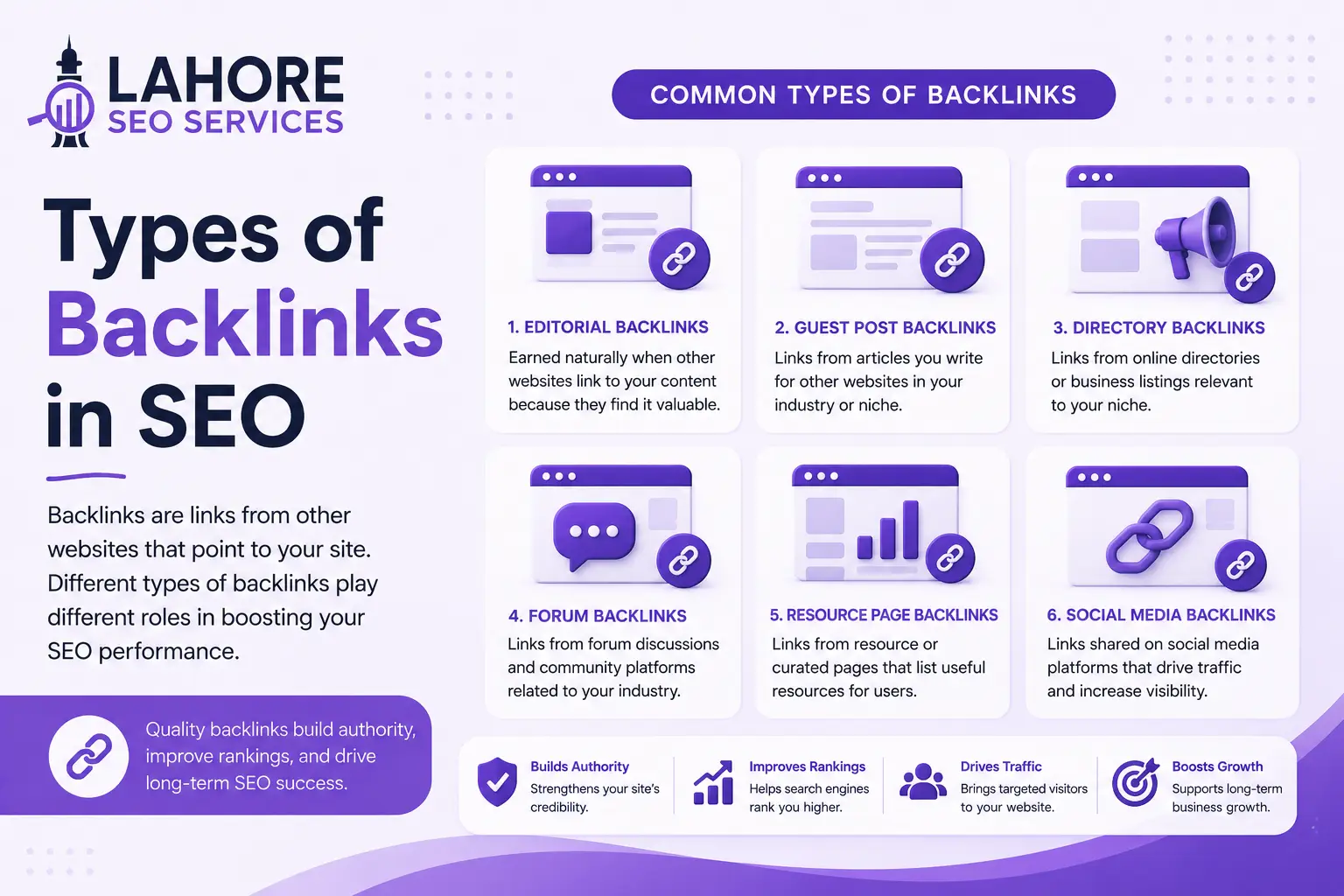
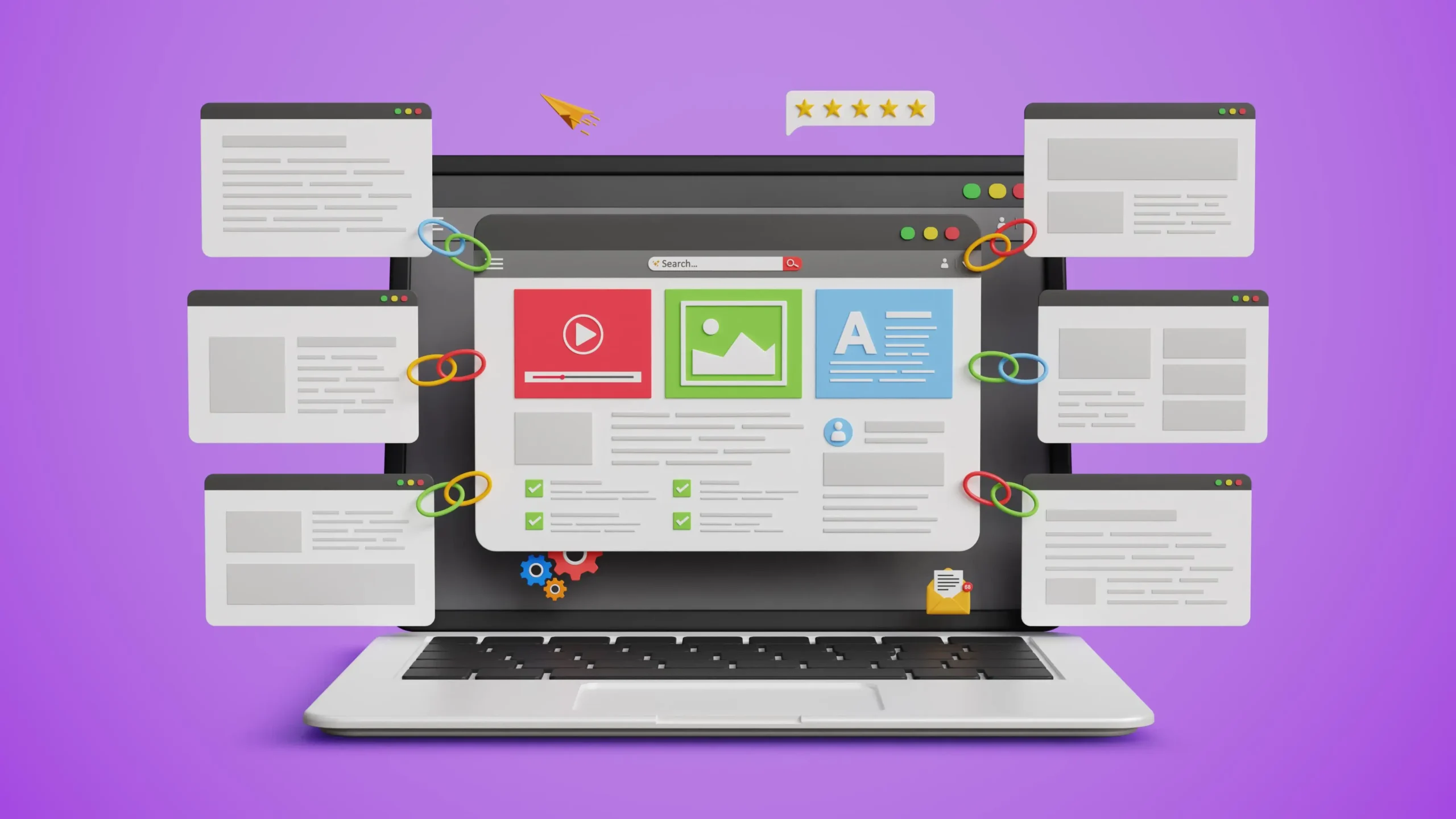
Prioritize editorial backlinks from relevant websites with useful, trustworthy content. Link value depends on context, relevance, placement, and source credibility rather than a third-party authority score alone.
Use these methods:
- Guest posting: Contribute original expert articles to reputable publications in your industry. Learn about guest posting.
- Broken link building: Find dead links on relevant websites and suggest suitable replacement resources.
- Resource pages: Recommend genuinely useful guides for inclusion on industry resource pages.
- Original research: Publish surveys, case studies, and reports that writers can cite.
- Expert contributions: Provide accurate commentary for relevant publications and media requests.
Avoid paid links intended to manipulate rankings, automated submissions, private blog networks, and excessive reciprocal exchanges. Qualify sponsored links appropriately.
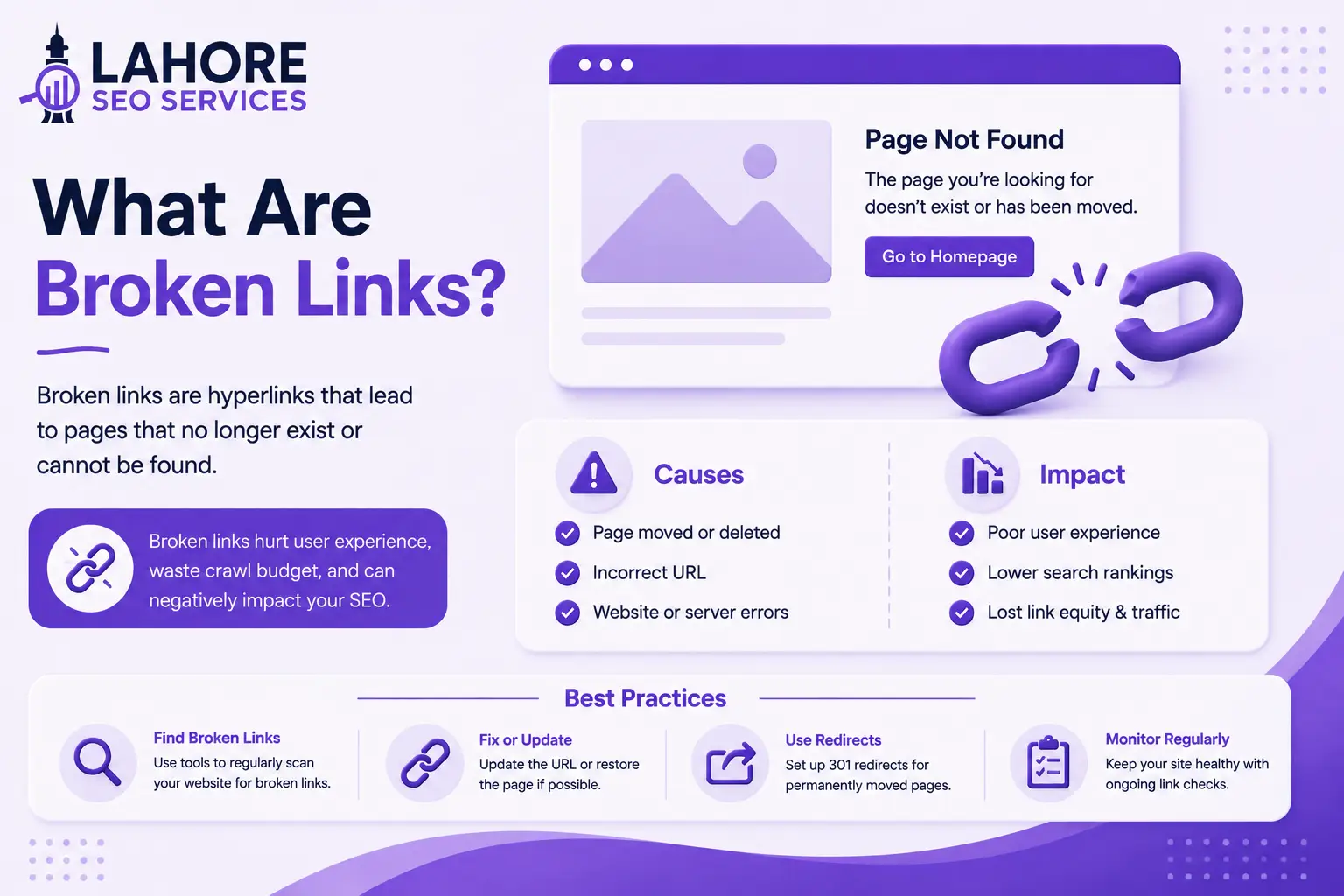
5. Recover Lost Links and Fix Broken Backlinks
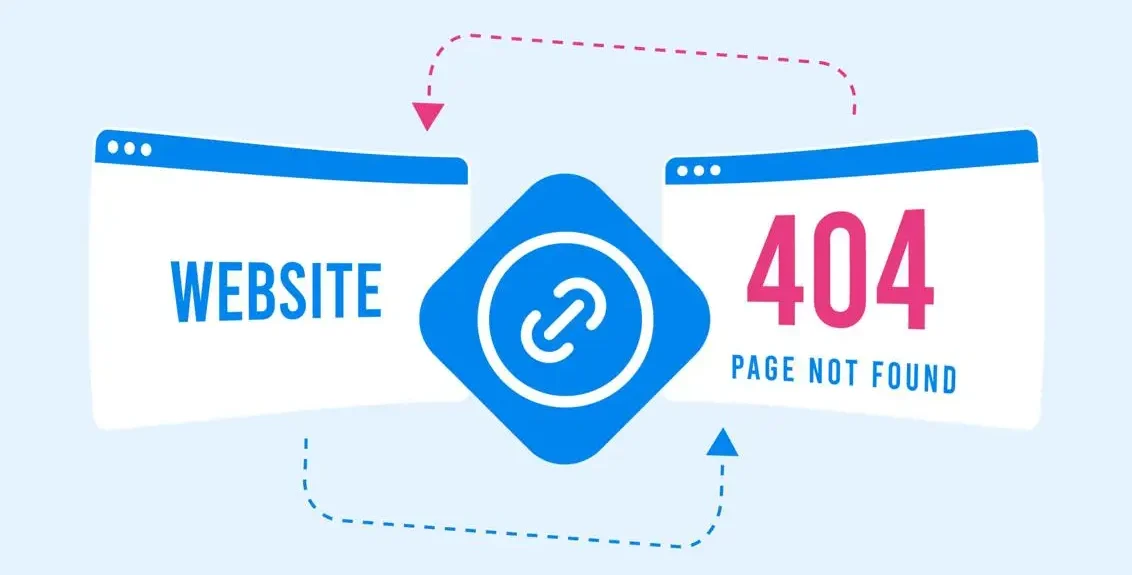
Reclaim valuable backlinks by restoring missing pages, correcting destination URLs, or asking publishers to update broken links. Link reclamation can recover existing opportunities without requiring entirely new outreach campaigns.
Use a crawler or backlink tool to identify linked URLs that return 404 errors. Compare the broken destinations with your current pages and select the most relevant solution.
- Export broken URLs and their referring domains.
- Identify a relevant replacement page.
- Restore the original URL when appropriate.
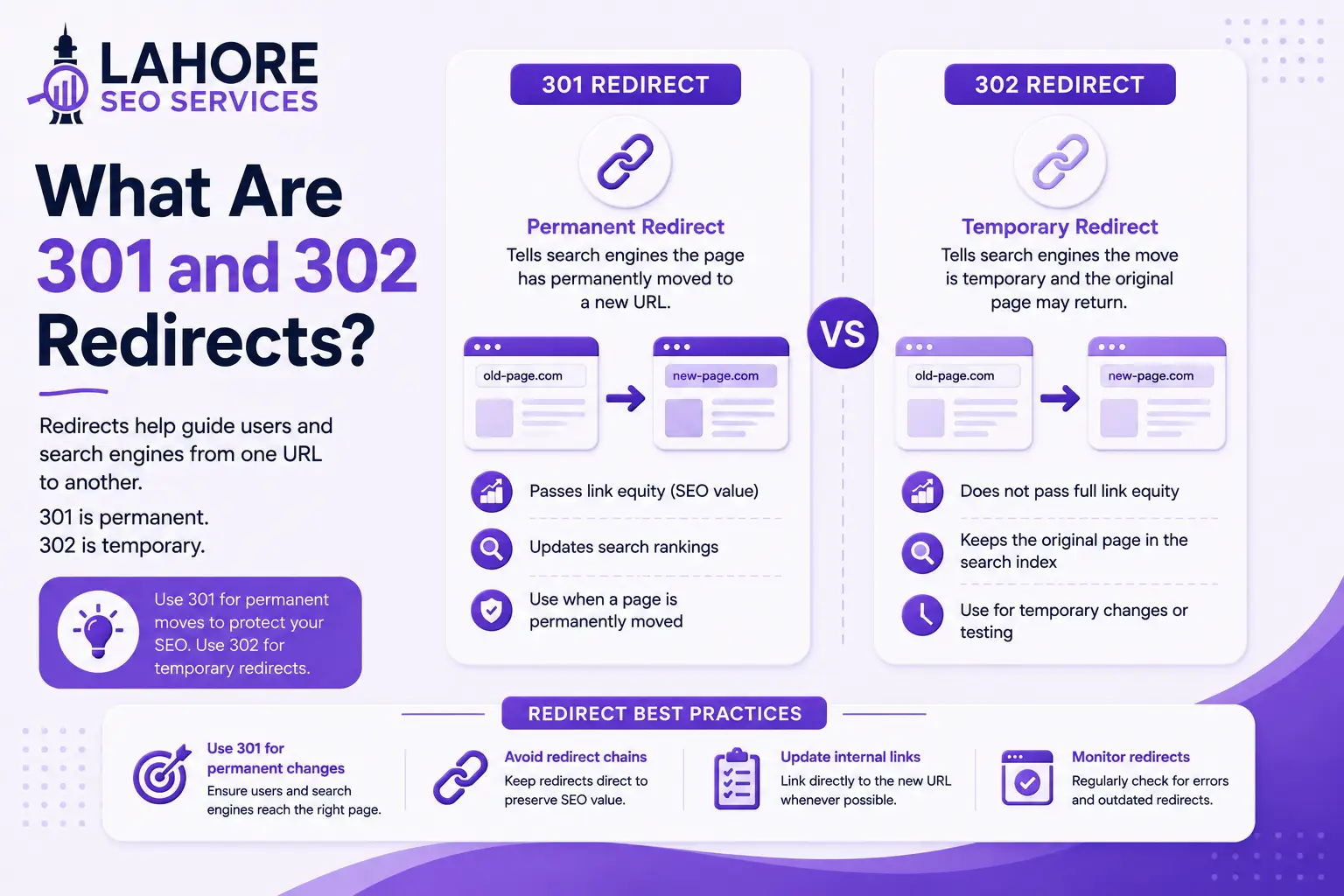
- Apply a 301 redirect when a permanent, relevant replacement exists.
- Contact publishers and request updated links.
Avoid redirecting unrelated pages to your homepage. Test important redirects and destination URLs after implementation.
6. Reclaim Unlinked Brand Mentions
Turn relevant unlinked mentions into potential backlink opportunities by contacting the original publisher. Websites may mention your business, research, or expertise without providing a clickable link.
Search your brand name on Google and monitor mentions through Google Alerts or SEO tools. Verify each reference before contacting the publisher.
Send a short, professional request explaining how a link would help readers access additional information. Do not demand a link or assume every mention deserves one.
Track publication URLs, contact details, outreach dates, and responses. Prioritize relevant industry publications and pages that discuss your services or expertise.
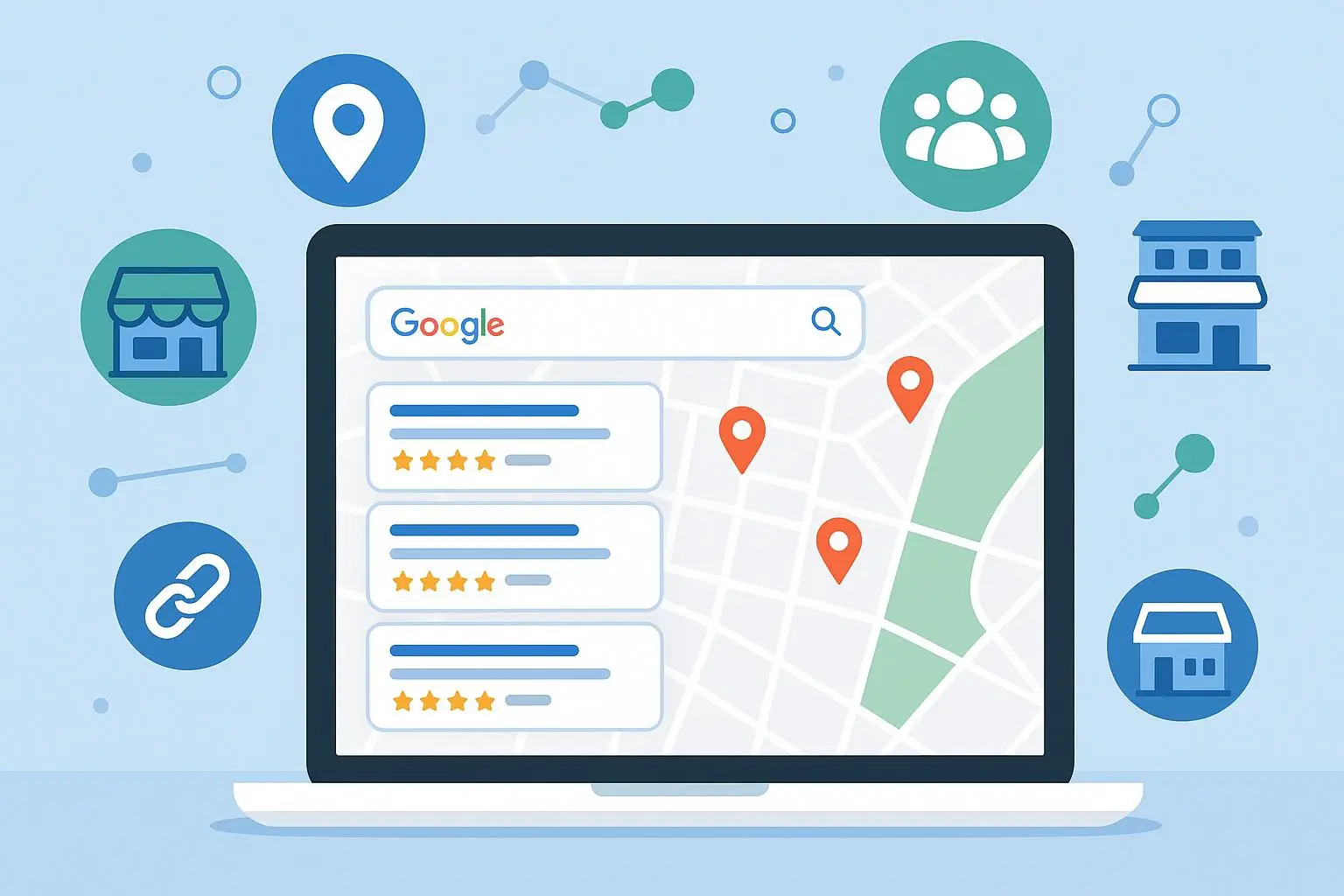
7. Strengthen Local SEO Citations and Reviews
Keep business information consistent across trusted directories and encourage genuine customer reviews. Local citations help search engines connect your business name, address, phone number, and website with the correct business.
Complete these checks:
- Verify your Google Business Profile and select accurate categories.
- Keep your business name, address, and phone number (NAP) consistent.
- Update opening hours, service areas, and contact information.
- Claim relevant local and industry directory listings.
- Correct outdated information and remove duplicate listings.
Ask customers for honest reviews without offering incentives for positive ratings. Respond professionally to positive and negative feedback, and never publish fabricated reviews.
8. Promote Content Through Social Media
Use social media to distribute useful content, reach relevant audiences, and create opportunities for natural backlinks. Social likes and shares are not established direct Google ranking factors, but effective promotion can attract visitors, citations, and editorial attention.
Share new articles, research, case studies, and resources on platforms your audience uses. LinkedIn may suit professional services, while YouTube supports demonstrations and educational videos.
Keep social media pages complete with consistent branding, accurate descriptions, and working website links. Participate in relevant communities and respond to questions with useful information.
Measure referral visits, qualified leads, brand mentions, and earned backlinks rather than follower counts alone.
9. Invest in Digital PR and Outreach
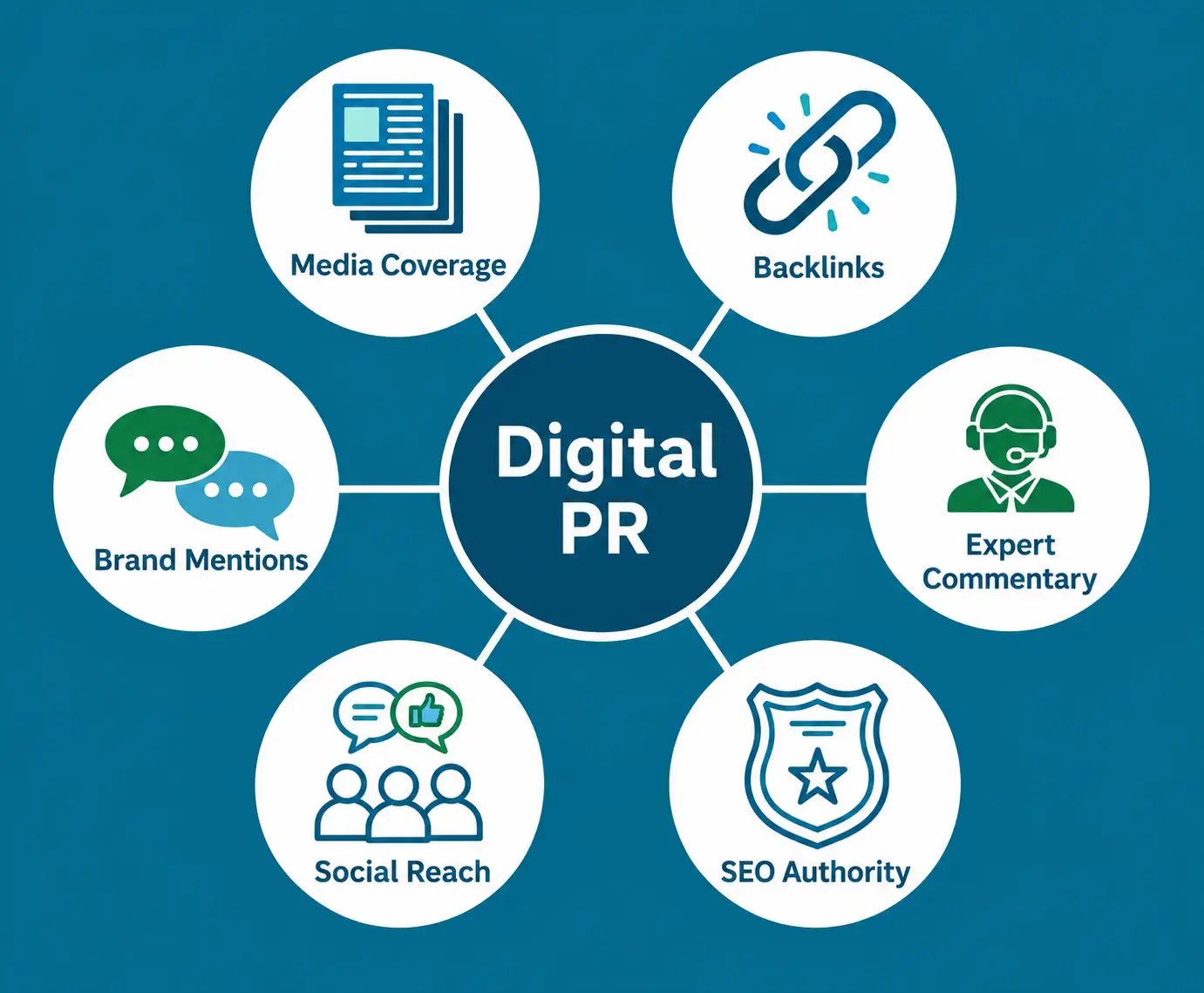
Earn media coverage by offering journalists and publishers information their audiences genuinely need. Digital public relations can generate editorial links, brand mentions, and recognition beyond your existing customer base.
Develop newsworthy material, such as original industry data, surveys, expert commentary, research reports, or local business initiatives. Identify publications that regularly cover your subject.
Personalize outreach and explain why your information suits the publication. Provide verifiable facts, reliable sources, and timely responses.
Avoid mass press releases without genuine news value. Measure results through relevant referring domains, referral traffic, brand mentions, and qualified enquiries.
10. Participate in Online Communities
Contribute useful answers to forums and industry discussions to build expertise and attract relevant visitors. Community participation supports reputation when contributions solve real problems instead of repeatedly promoting your business.
Identify communities where your customers ask questions. Answer accurately, provide practical examples, and reference reliable resources when necessary. Reddit, Quora, and specialized forums can help you understand customer concerns.
Add a website link only when the link supports your answer and the platform permits self-promotion. Avoid repetitive comments, automated submissions, and irrelevant promotional links.
11. Optimize Images, Videos, and Documents
Distribute original visual and educational content on relevant platforms to expand discovery and referral opportunities. Useful videos, diagrams, presentations, and research documents can reach audiences who might not discover your website through search.
Use descriptive filenames, relevant titles, accurate descriptions, and video transcripts where appropriate. Include a website link when the platform permits it.
Publish educational videos on YouTube and distribute research reports through suitable document-sharing platforms. Adapt each asset to the platform, respect copyright requirements, and link to the most relevant landing page.
12. Syndicate Content and Develop Partnerships
Expand content distribution through legitimate syndication and partnerships that reach relevant audiences. Republish selected articles only when the receiving platform permits redistribution and the arrangement serves a clear audience need.
Use appropriate attribution and a canonical URL where the platform supports it. Search engines ultimately determine which version to index.
Consider partnerships with industry associations, complementary businesses, and relevant creators. Joint research, webinars, expert interviews, and community events can produce meaningful mentions and referral visits.
Which Tools Help With Off-Page SEO?
Use tools that cover backlink discovery, competitor research, brand monitoring, and local reputation management.
| Tool | Primary purpose |
| Google Search Console | Review available backlink data and search performance |
| Ahrefs | Analyze backlinks and competitor opportunities |
| Semrush | Research backlink gaps and outreach prospects |
| Moz Link Explorer | Examine backlink profiles |
| Google Alerts | Discover potential brand mentions |
| Google Business Profile | Manage business information and reviews |
No tool provides a complete picture of every backlink. Compare available data and verify important findings manually.
Common Off-Page SEO Mistakes to Avoid
Avoid tactics that prioritize backlink quantity over relevance, editorial quality, and compliance with search engine policies.
- Buying manipulative links: Paid links intended to influence rankings can violate Google’s spam policies.
- Ignoring relevance: Links from unrelated websites may provide little practical value.
- Overusing exact-match anchors: Repeated commercial keywords can create an unnatural backlink profile.
- Disavowing links indiscriminately: Random low-quality links do not automatically require disavowal.
- Neglecting reviews: Unanswered feedback can weaken customer confidence.
- Ignoring broken backlinks: Valuable external references can lead to missing pages.
- Using inconsistent business details: Conflicting information can confuse customers and directories.
Google’s disavow tool is intended for specific cases involving considerable spammy or artificial backlinks and a substantial risk of manual action. Review Google’s guidance before submitting a disavow file.
How to Maintain Your Off-Page SEO Checklist
Review your off-page SEO performance monthly and conduct a deeper backlink and competitor audit quarterly. Track new and lost referring domains, recovered links, brand mentions, reviews, citation accuracy, referral traffic, and qualified leads.
Assign responsibility for outreach, reviews, and link reclamation. Set realistic targets based on your website’s current position, industry competition, and available resources.
If your business needs expert support, a trusted SEO agency in Lahore can help prioritize opportunities, evaluate backlink risks, and develop a sustainable off-page strategy.
Frequently Asked Questions
What should be included in an off-page SEO checklist?
An effective checklist includes backlink audits, competitor research, natural link building, anchor text reviews, broken link reclamation, brand mentions, digital PR, local citations, customer reviews, social media promotion, and performance monitoring. Prioritize relevant, trustworthy sources and avoid manipulative link-building practices.
How to create an effective off-page SEO checklist?
Create an effective checklist by auditing existing backlinks, comparing competitor strategies, identifying relevant outreach opportunities, and setting measurable goals. Assign responsibilities, document progress, and prioritize actions according to relevance, risk, available resources, and potential business value.
How can social media help improve off-page SEO?
Social media helps improve off-page SEO by distributing useful content, expanding brand awareness, attracting referral traffic, and creating opportunities for editorial mentions and backlinks. Social likes and shares are not established direct Google ranking factors, so measure meaningful business outcomes.
How often should an off-page SEO checklist be reviewed?
Review your off-page SEO checklist monthly to monitor backlinks, reviews, brand mentions, and outreach results. Conduct a comprehensive backlink and competitor audit quarterly, or sooner after a suspected manual action, significant website migration, or unusual change in backlink activity.