Keyword selection affects which searches your website can match, how precisely your content addresses user intent, and how difficult ranking can be. Short-tail keywords target broad topics, while long-tail keywords target specific searches. Understanding short-tail keywords vs long-tail keywords helps you assign the right query to the right page instead of forcing every page to compete for the same broad term.
What Are Short-Tail Keywords?
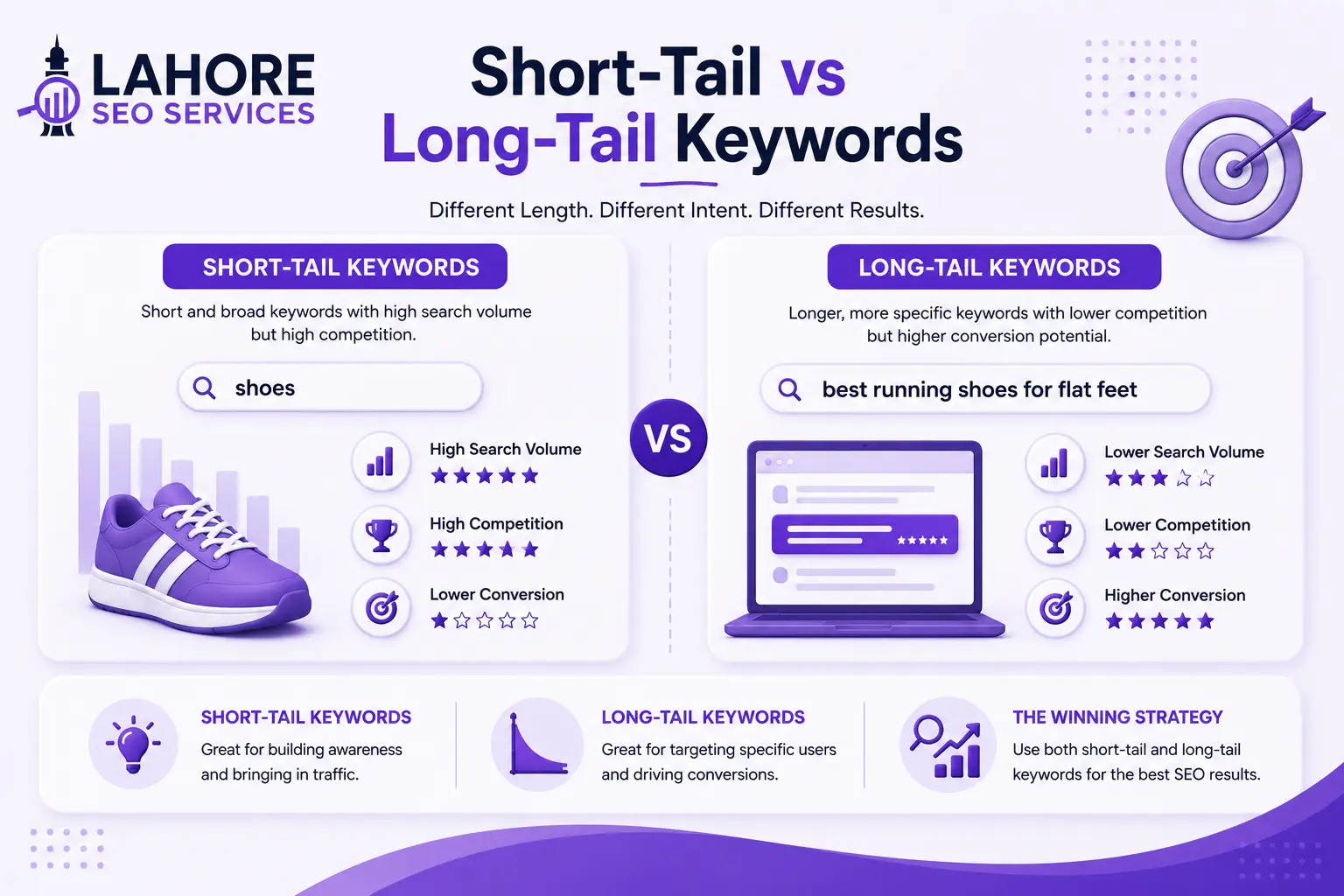
Short-tail keywords are broad search queries that usually contain one to three words. Examples include “SEO services,” “digital marketing,” “running shoes,” and “laptops.” These terms describe a broad subject but often provide limited information about what the searcher wants.
Short-tail keywords are commonly called head keywords because they tend to sit near the high-volume portion of keyword demand. A single broad term can represent several different intents. Someone searching “SEO” could want a definition, an agency, a course, software, a job, or technical information.

What Are Long-Tail Keywords?
Long-tail keywords are specific search queries that usually contain three or more words. Examples include “technical SEO services for small businesses,” “best running shoes for flat feet,” and “how to conduct a technical SEO audit.”
Long-tail keywords provide more context about the searcher’s need. A query such as “SEO services for dentists in Lahore” identifies a service, audience, and location. That additional detail helps you create a page that matches the query more precisely.
Long-tail does not mean a keyword must contain a fixed number of words. Search intent matters more than word count. A four-word query can remain broad, while a three-word query can be highly specific. Treat word length as a useful classification, not the only decision criterion.

Short-Tail Keywords vs Long-Tail Keywords: Key Differences
The main difference between short-tail and long-tail keywords is specificity. Short-tail keywords describe broad topics, while long-tail keywords describe narrower needs.
Search volume usually favors short-tail terms because broad topics attract more searches. Long-tail terms generally have lower individual search volumes, but thousands of specific queries can collectively represent substantial demand.
Competition often differs as well. Broad terms attract more websites because the potential audience is large. Specific terms can have fewer directly relevant competing pages, although competition still depends on the topic, location, commercial value, and strength of existing results.
The difference can be summarized through six practical factors:
- Length: Short-tail terms are usually one to three words; long-tail terms are usually three or more words.
- Specificity: Short-tail terms are broad; long-tail terms are more precise.
- Search volume: Short-tail terms generally have higher individual volume.
- Competition: Broad terms often attract stronger competition.
- Intent: Long-tail queries usually provide more contextual information.
- Page targeting: Broad terms suit broad topic pages, while specific queries suit focused pages.

Does Search Volume Make Short-Tail Keywords Better?
No. Search volume alone does not determine keyword value. A keyword becomes useful when the search demand, user intent, business relevance, ranking feasibility, and page purpose align.
A keyword with high volume can generate substantial impressions without producing qualified visitors. A lower-volume commercial query can produce fewer clicks but stronger leads because the searcher has identified a precise need.
For example, “SEO” has broad demand but unclear intent. “Local SEO services for restaurants in Lahore” provides a much narrower commercial context. The second query may be more useful for a local agency page even though the first query has greater search volume.
Why Do Long-Tail Keywords Often Have Stronger Intent?
Long-tail keywords often reveal more details about the user’s problem, audience, location, product requirement, or desired action. Those details make search intent easier to classify.
Consider three queries: “SEO,” “SEO audit,” and “technical SEO audit for WordPress.” The first query leaves the purpose open. The second indicates a service or informational need. The third specifies the subject and platform, which gives you a clearer basis for page creation.
When Should You Target Short-Tail Keywords?
Target short-tail keywords when a page needs to establish broad topical relevance and the search results support the page type you plan to create.
Homepage, primary service, category, and pillar pages can target broad terms when those terms accurately describe the business and the page’s purpose. A digital marketing agency may target “digital marketing” on a broad service or hub page, while narrower pages address individual services.
Do not select a short-tail keyword simply because a keyword tool reports high volume. Search results determine whether the query actually matches your page.
When Should You Target Long-Tail Keywords?
Target long-tail keywords when you need to address a defined question, audience, product requirement, service need, or problem.
Long-tail phrases work well for detailed service pages, product pages, supporting articles, location pages, comparison content, troubleshooting guides, and frequently asked questions. Each page should satisfy a distinct intent rather than collect multiple unrelated phrases.
For example, a broad page about “SEO services” can explain the overall service, while a focused page about “technical SEO services for ecommerce websites” can address technical requirements specific to ecommerce.
How to Find Short-Tail and Long-Tail Keywords
Start keyword research with your business categories, products, services, customer problems, and existing website pages. Create broad seed terms first, then expand each seed into specific queries.
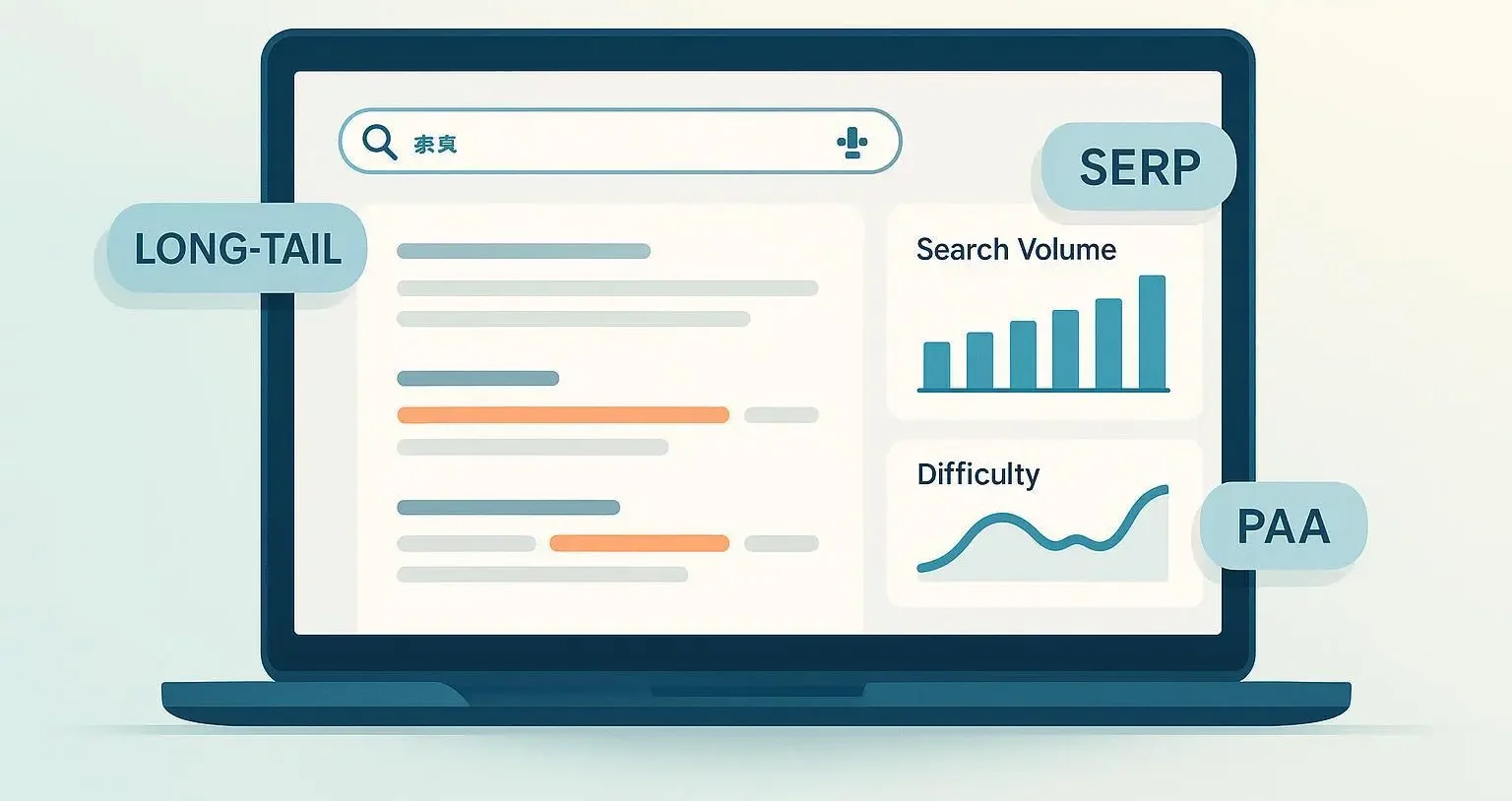
Use Google Search, Google Keyword Planner, Google Search Console, and professional keyword research platforms to discover related searches. Review autocomplete suggestions, People Also Ask questions, related searches, competitor rankings, and queries that already generate impressions for your website.
Evaluate each keyword against five factors: search intent, relevance, search demand, competition, and business value. Keyword difficulty can support prioritization, but difficulty scores are third-party estimates rather than direct Google ranking measurements.
How to Use Both Keyword Types in One SEO Strategy
A strong SEO strategy connects broad topics with specific search needs while building clear topical authority across related content. Start with a primary topic, assign a suitable broad page to the main concept, then create supporting pages for distinct subtopics and intents.
A pillar page can cover a broad subject such as “local SEO.” Supporting pages can address “local keyword research for small businesses,” “Google Business Profile optimization,” and “local citation management.” Internal links connect related pages and help users move from general information to specific solutions.
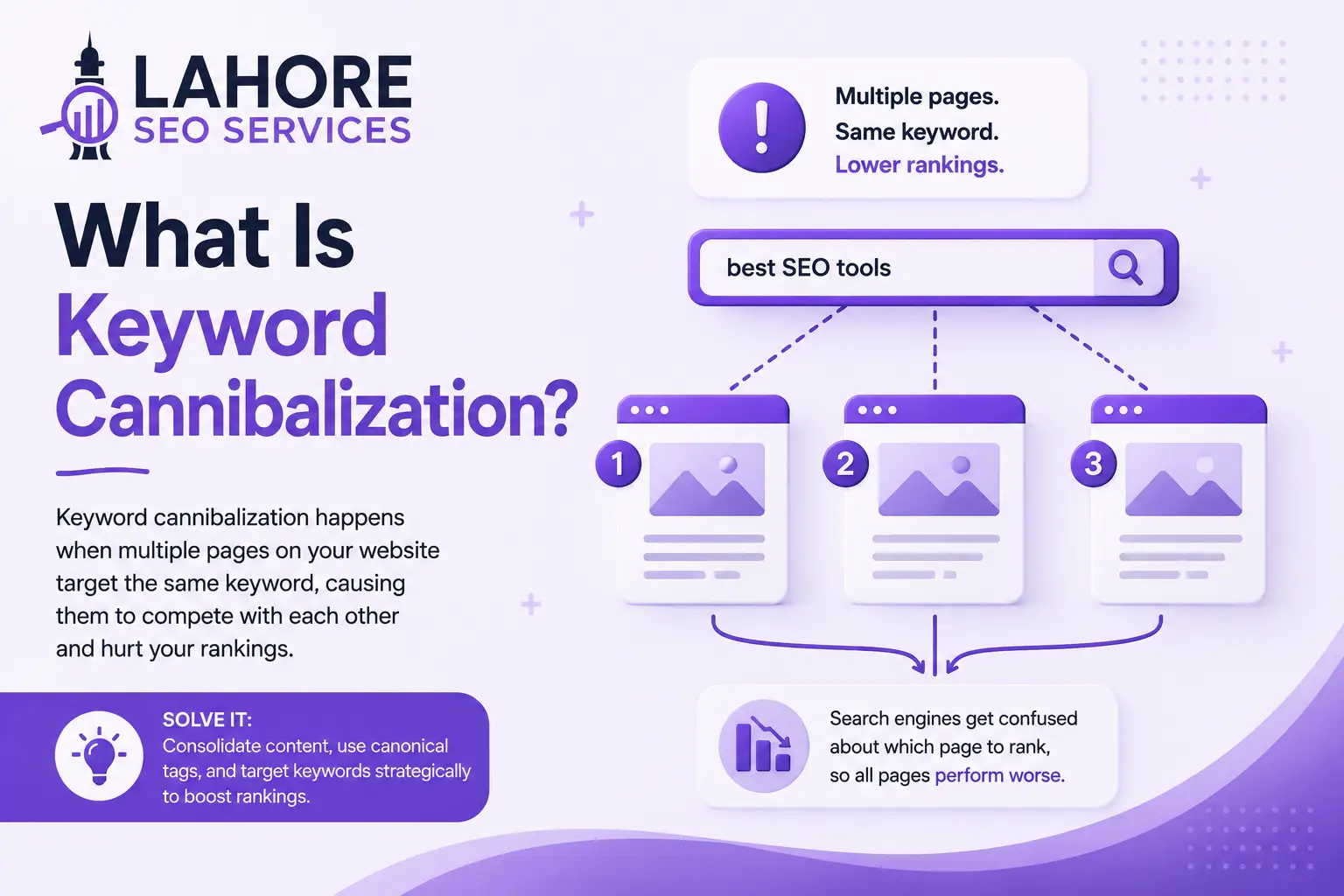
Keyword mapping prevents multiple URLs from competing for the same primary intent. Assign one principal search intent to each important URL, then use closely related terms naturally within the same page when the terms share that intent.
Avoid creating separate pages for minor keyword variations when the search results show the same intent. Combining closely related queries can produce a stronger resource and reduce unnecessary content duplication.
How Do Short-Tail and Long-Tail Keywords Affect Content Quality?
Keyword type should influence content scope, not reduce content to repeated phrases, which is an important principle of SEO content optimization. Broad keywords require comprehensive coverage of the main subject, while specific keywords require precise answers to the stated need.
Your heading structure should reflect the information users expect from the query. A broad topic page can introduce definitions, processes, factors, applications, and related questions. A narrow page should prioritize the exact problem and provide actionable details without unnecessary expansion.
Use related entities and concepts naturally. Search engines evaluate pages through broader language and contextual relationships, so semantic coverage can help demonstrate topical completeness without repeating the same keyword.
How to Build a Keyword Map
Create a keyword map that assigns target queries to specific URLs before publishing new content. Record the primary keyword, supporting terms, search intent, page type, funnel stage, location when relevant, and existing URL.
Group keywords by shared intent rather than word similarity. Two phrases can contain different words but require the same page. Two phrases can share several words but represent different intents.
Review existing rankings before creating a new URL. Search Console data can reveal pages that already receive impressions for related queries. A new page may create cannibalization when an existing URL already satisfies the same intent.
Common Mistakes With Short-Tail and Long-Tail Keywords
One common mistake is choosing keywords solely by search volume. High-volume terms can attract irrelevant users when the query does not match the business offer.
Another mistake is treating every three-word phrase as long-tail and every two-word phrase as short-tail without reviewing intent. Word count provides a useful starting point, but specificity and SERP interpretation matter more.
Keyword stuffing creates another problem. Repeating an exact phrase excessively can reduce readability and produce unnatural content. Use the primary term where it fits, then cover related concepts through clear language.
Creating a separate page for every minor variation can fragment authority and create overlapping URLs. Consolidate similar intent when one comprehensive page can satisfy multiple closely related searches.
How Lahore SEO Services Can Apply This Strategy
At Lahore SEO Services, keyword planning should connect search demand with page purpose, user intent, topical coverage, and measurable business outcomes. A broad service page can establish the primary topic, while focused supporting content can capture specific problems and questions.
For a business targeting Lahore, location can further refine search intent. Queries such as “SEO services in Lahore” and “technical SEO consultant in Lahore” may require different page treatment because the service scope and intent differ.
A practical workflow starts with keyword discovery, continues through SERP analysis and keyword mapping, and ends with content creation, internal linking, technical optimization, and performance measurement. Search Console data can then reveal which queries generate impressions and clicks, allowing you to refine existing pages without automatically creating new URLs.
Review performance through impressions, clicks, rankings, qualified leads, conversions, and revenue so keyword decisions reflect measured actual business value.
Frequently Asked Questions
What is the difference between short-tail and long-tail keywords?
Short-tail keywords are broad, usually one-to-three-word queries with higher individual search volume, while long-tail keywords are more specific phrases that usually contain three or more words. Long-tail queries generally provide clearer context, making intent and page targeting easier.
How do short-tail vs long-tail keywords affect SEO?
Short-tail keywords can support broad topical visibility, while long-tail keywords help you target specific search intent. Short-tail terms often face stronger competition, whereas focused long-tail queries can provide more realistic ranking opportunities and qualified traffic for relevant pages.
Which is easier to rank for: short-tail or long-tail keywords?
Long-tail keywords are often easier to rank for because specific queries can have fewer directly competing pages. Ranking difficulty still depends on search intent, industry, location, authority, content quality, backlinks, and the strength of the current search results.
What are examples of short-tail and long-tail keywords?
Examples of short-tail keywords include “SEO,” “digital marketing,” and “running shoes.” Examples of long-tail keywords include “SEO services for small businesses,” “digital marketing agency in Lahore,” and “best running shoes for flat feet.”
When should you use short-tail vs long-tail keywords?
Use short-tail keywords for broad topic, category, service, or pillar pages when the search results match your page purpose. Use long-tail keywords for focused service pages, product pages, detailed articles, questions, and specific problems where precise intent matters.