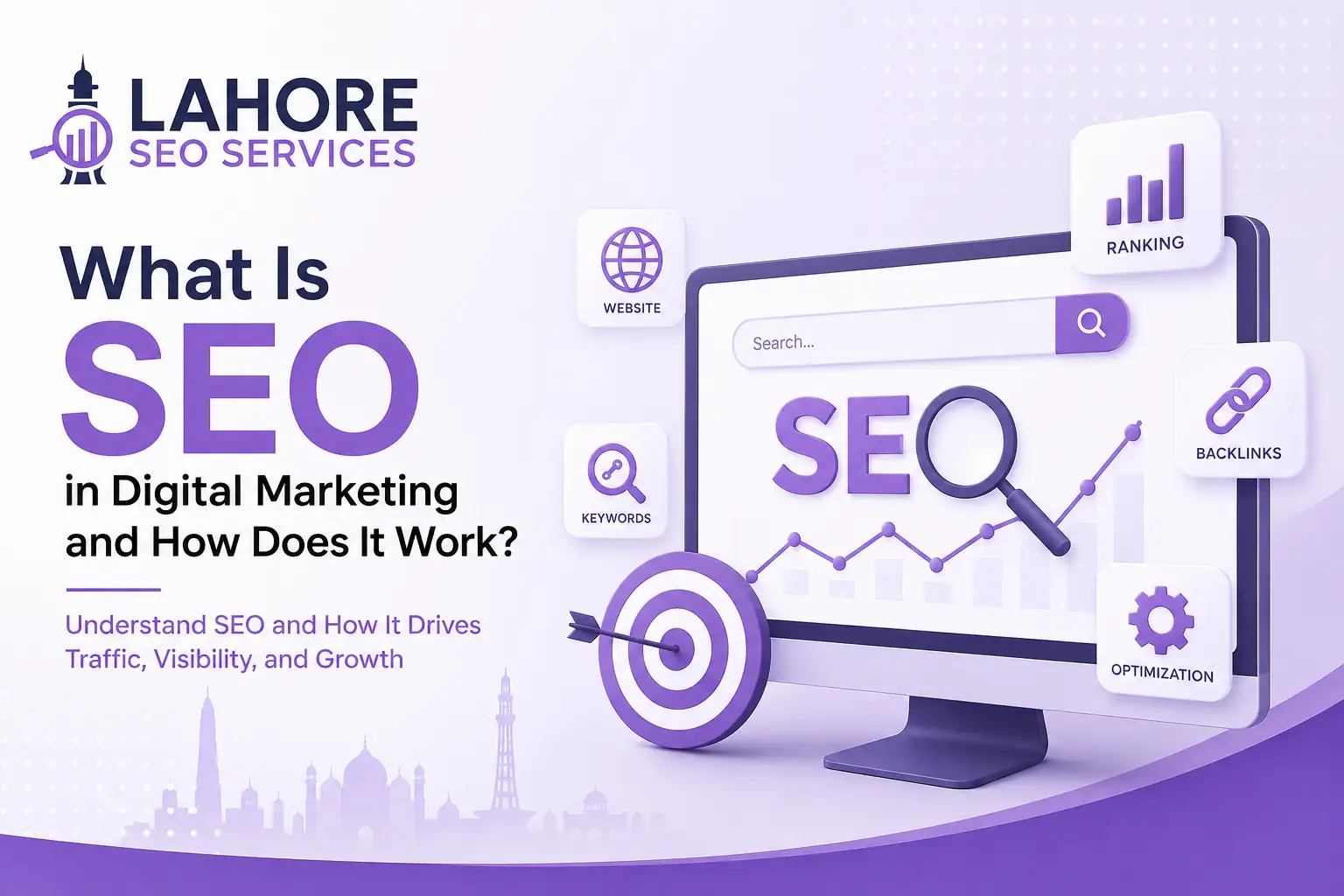
SEO, or Search Engine Optimization, is the process of improving a website so it can appear more prominently in organic search results. In digital marketing, SEO helps businesses increase visibility, attract relevant website traffic, and reach people searching for their products, services, or information.
What Is The Role Of SEO in Digital Marketing?
SEO involves optimizing a website’s content, structure, and technical elements so search engines can understand and rank its pages for relevant searches.
For example, if someone searches for “best digital marketing agency,” SEO can help a relevant website appear in the search results without paying for each click. Businesses targeting specific locations can also use local SEO services to improve their visibility among nearby customers.
Unlike PPC, SEO focuses on organic traffic and can support long-term online visibility.
Is SEO Part of Digital Marketing?
Yes, SEO is an important part of digital marketing.
Digital marketing includes SEO, PPC, social media marketing, content marketing, email marketing, and other online channels. SEO focuses specifically on improving a website’s organic visibility in search engines.
SEO can also support other marketing activities by bringing more people to useful website content, service pages, and product pages. For online stores, this can include strategies such as ecommerce SEO services to improve the visibility of product and category pages.
How Does SEO Work?
SEO works by helping search engines discover, understand, and rank your website.
Crawling
Search engines use bots, also called crawlers or spiders, to discover and scan web pages. They follow links and can also discover URLs through XML sitemaps.
Indexing
After crawling a page, search engines analyze its content and may store it in their search index. Pages with duplicate, thin, or poor-quality content may not be indexed.
Ranking
When someone searches for something, search engines examine their index and determine which pages are most relevant and useful. These pages are then displayed on the Search Engine Results Pages (SERPs).
Why Is SEO Important in Digital Marketing?
SEO helps businesses:
- Increase organic website traffic
- Improve search visibility
- Reach users with relevant search intent
- Build credibility and authority
- Generate leads and sales
- Support long-term digital growth
The goal is not simply to get more visitors. It is to attract people who are genuinely interested in what your business offers. Businesses competing across an entire country may benefit from a focused national SEO strategy to reach a broader audience.
Types of SEO In Digital Marketing
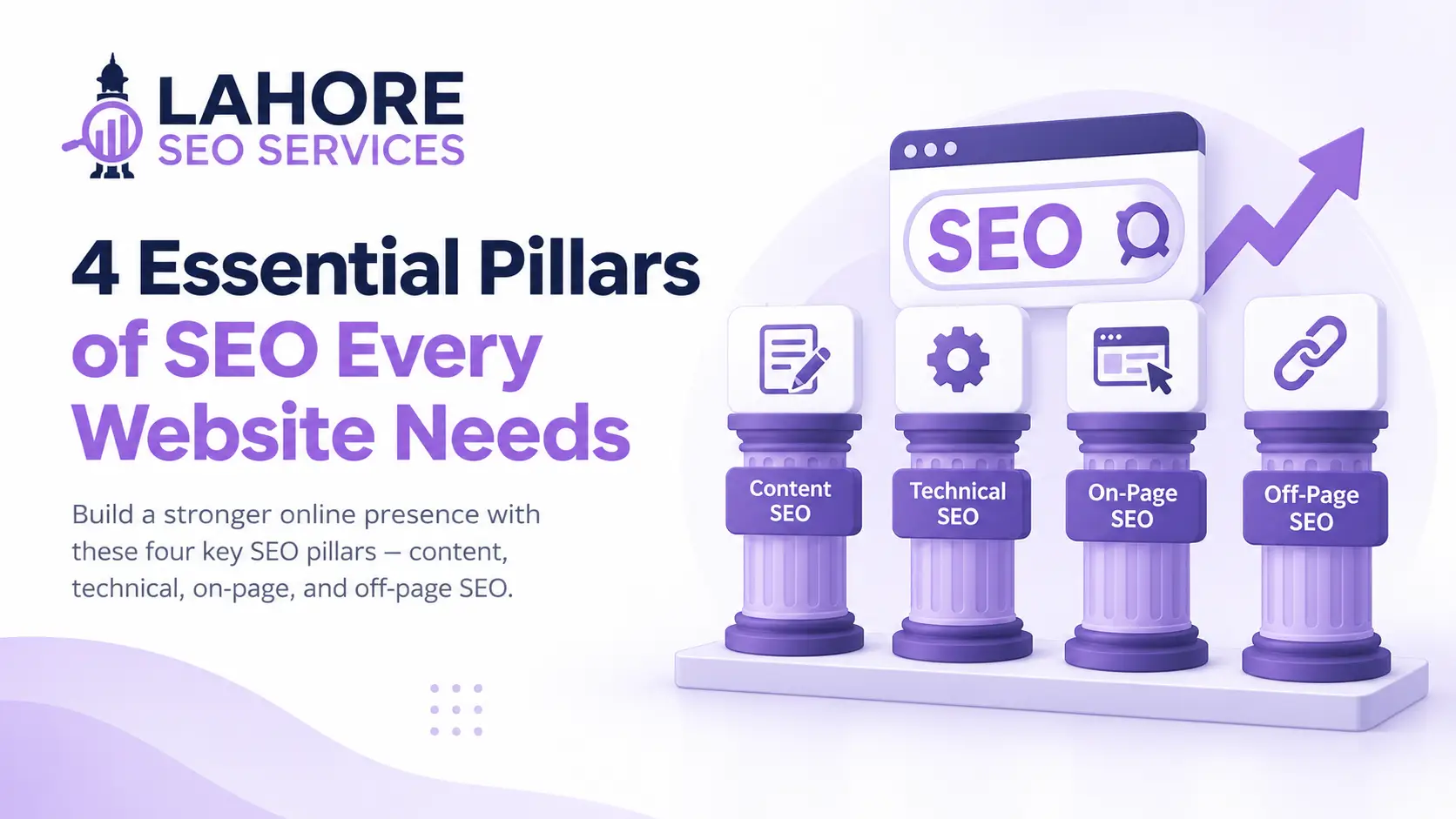
On-Page SEO
On-page SEO focuses on optimizing page content and elements such as keywords, headings, title tags, meta descriptions, URLs, images, and internal links.
Off-Page SEO
Off-page SEO focuses on activities outside your website, especially earning relevant, high-quality backlinks that can strengthen authority and credibility.
Technical SEO
Technical SEO improves the website’s technical foundation. It includes crawlability, mobile-friendliness, page speed, redirects, broken links, XML sitemaps, canonical tags, and structured data.
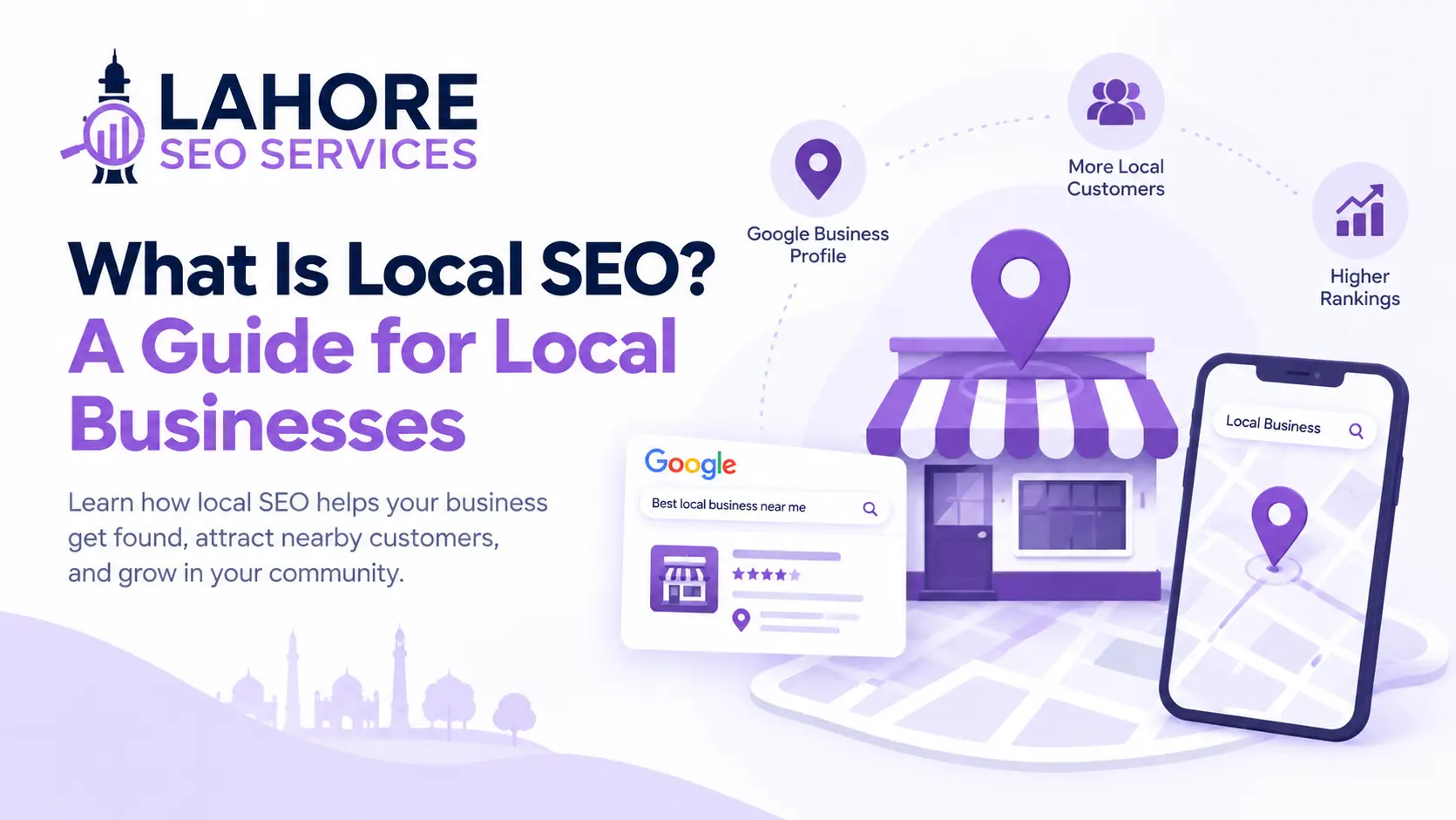
Local SEO
Local SEO helps businesses improve visibility for location-based searches. It is particularly useful for businesses serving specific cities or geographic areas.
How Does Google Decide Which Pages Rank?
Google uses automated systems and many signals to determine which pages are most relevant to a search.
Important areas include:
Content Quality and Relevance
Content should provide useful, accurate information that satisfies the user’s search intent.
User Experience and Core Web Vitals
A website should be fast, mobile-friendly, easy to navigate, and provide a stable experience. Core Web Vitals, including LCP and CLS, help measure important aspects of page experience.
E-E-A-T and Website Authority
E-E-A-T stands for Experience, Expertise, Authoritativeness, and Trustworthiness. Demonstrating real experience, expertise, reliable information, and trust can strengthen the overall quality of a website.
How to Use SEO in Your Digital Marketing Strategy
A successful SEO strategy combines content, technical improvements, and authority-building to increase organic visibility.
1. Research Keywords and Search Intent
Find relevant keywords your audience searches for and understand what they want to find. This helps you create pages that match their needs.
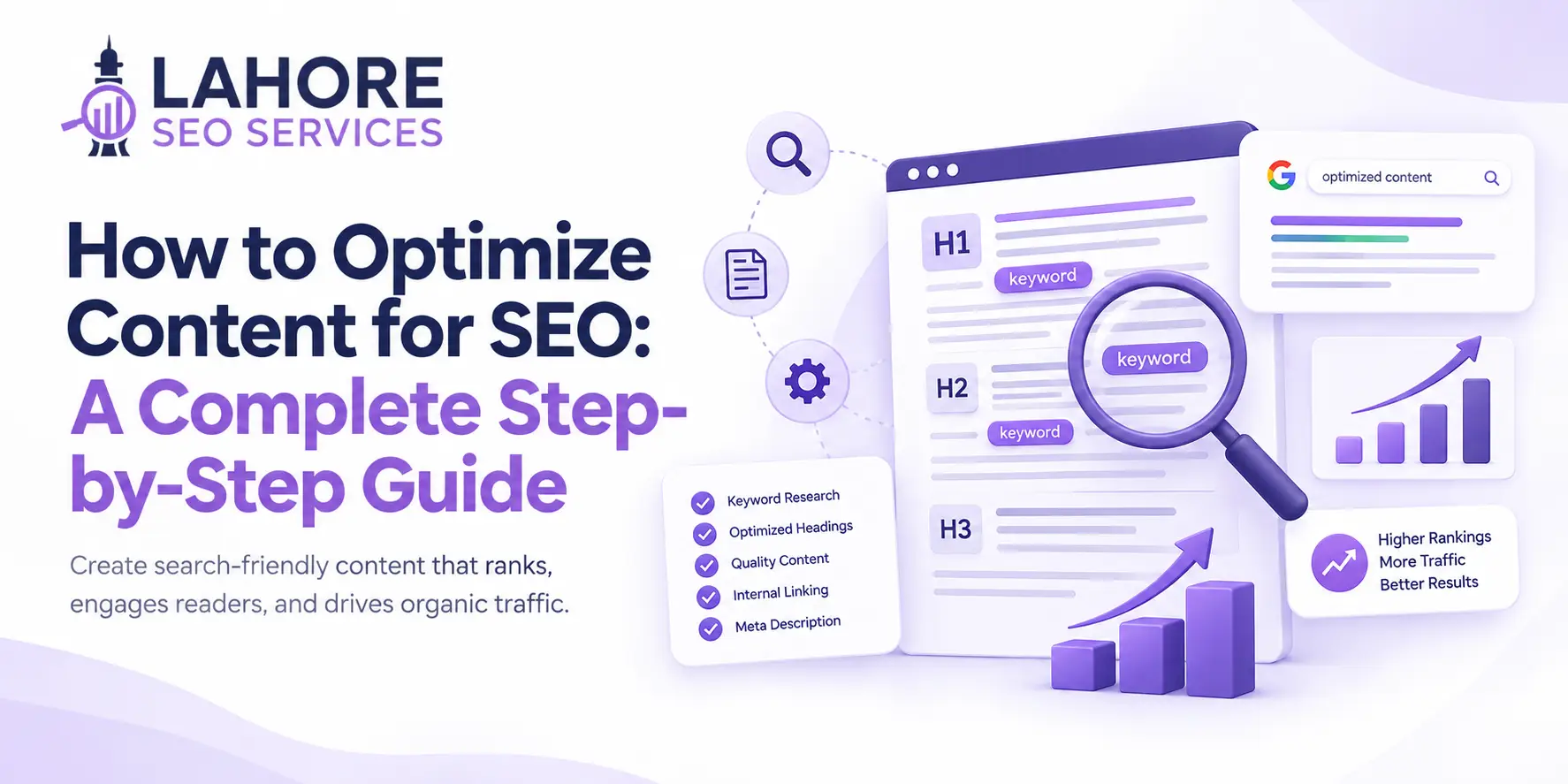
2. Create and Optimize Content
Create useful, original content that answers users’ questions. Naturally optimize titles, headings, meta descriptions, URLs, and page content around relevant topics.
3. Improve Technical SEO
Make sure your website is fast, mobile-friendly, easy to crawl, and simple to navigate. Fix broken links, duplicate content, redirects, and other technical issues that can affect search visibility.
4. Build Internal Links and Backlinks
Use internal links to connect related pages and help search engines understand your site structure. Earn relevant backlinks from trustworthy websites to strengthen your site’s authority.
If you’re running an online store on Shopify, these efforts can be supported with specialized Shopify SEO services focused on improving the visibility of Shopify websites.
5. Monitor and Improve Performance
Track organic traffic, rankings, clicks, and conversions using tools such as Google Search Console. Regularly update content and fix issues to keep improving your SEO performance.
For agencies or businesses offering SEO as part of their own services, reseller SEO services can provide another way to support client campaigns.
How Is AI Changing SEO?
AI is changing how people search for information. Google’s AI-powered search features can provide direct summaries and answers alongside traditional search results.
This makes useful, accurate, well-structured, and trustworthy content even more important. Businesses should focus on satisfying user intent, demonstrating expertise, keeping information updated, and making content easy for both users and search systems to understand.
Conclusion
SEO is a key part of digital marketing that helps businesses become more visible in organic search results. It works through crawling, indexing, and ranking, supported by quality content, technical optimization, user experience, and website authority.
When SEO is combined with a broader digital marketing strategy, it can help businesses attract the right audience and build sustainable online growth.
Frequently Asked Questions
What is SEO in digital marketing?
SEO in digital marketing is the process of optimizing a website to improve its visibility in organic search results. It helps businesses attract relevant visitors from search engines like Google and Bing without paying for every click.
How does SEO work step by step?
SEO generally works through three main stages: crawling, indexing, and ranking. Search engine bots discover and scan pages, the information is stored in a search index, and algorithms then determine which pages are most relevant to a user’s query.
How is SEO used in digital marketing?
SEO is used to improve a website’s search visibility, attract organic traffic, reach users with relevant search intent, and generate leads or sales. It works alongside channels such as content marketing, PPC, and social media.
Can I do SEO by myself?
Yes, you can handle basic SEO yourself by researching keywords, creating useful content, optimizing titles and headings, improving internal links, fixing technical issues, and monitoring performance in tools such as Google Search Console. More complex websites or competitive industries may benefit from professional SEO support.
Is SEO part of digital marketing?
Yes. SEO is one of the main channels of digital marketing, alongside PPC, social media, content marketing, and email marketing.
Why is SEO important for digital marketing?
SEO helps businesses improve organic visibility, attract relevant users, build credibility, and generate long-term traffic and leads.