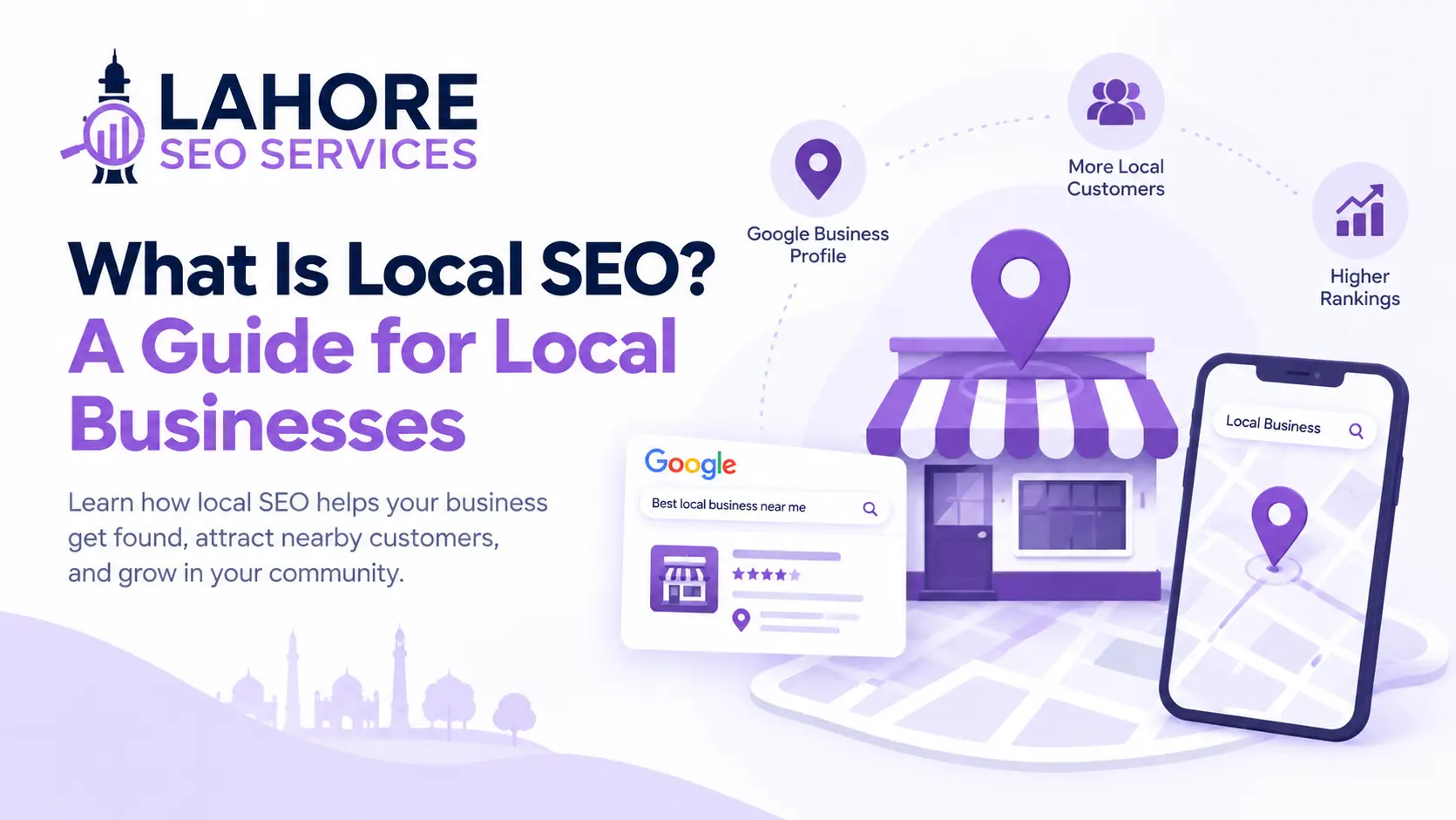
Local SEO helps businesses appear when people search for products or services in a specific area. Searches such as “dentist near me,” “Italian restaurant in Melbourne,” or “plumber near me” are examples of local searches.
It improves visibility across Google Search, Google Maps, and the Local Pack, helping nearby customers discover and contact your business. Whether you run a restaurant, retail store, clinic, law firm, or service business, local SEO can help you reach customers who are actively looking for what you offer.
Why Local SEO Matters for Your Business
Customers often use Google to find nearby businesses, compare options, read reviews, and make decisions. A strong local SEO strategy can help you:
- Increase local search visibility
- Get discovered on Google Maps
- Drive targeted website traffic
- Generate calls and enquiries
- Attract customers to your location
- Build trust through reviews
- Increase leads and sales
When visitors quickly find useful information, they are more likely to stay on your website and explore other pages. Businesses can also explore relevant SEO services to support their broader search visibility goals.
How Google Decides Which Local Businesses to Show
Google uses information from your Google Business Profile, website, reviews, directories, backlinks, and other sources to determine which businesses are relevant to a search.
It considers factors such as:
- What your business offers
- Your business category
- Where you operate
- Your website content
- Customer reviews
- Online listings
- Local backlinks
For example, when someone searches for “emergency electrician near me,” Google evaluates nearby businesses and ranks those that best match the search.
Where Your Business Can Appear in Local Search
The Google Local Pack
The Local Pack displays a selection of local businesses, usually alongside a map. It can show ratings, opening hours, locations, and contact details.
Appearing here can put your business directly in front of customers searching for a local service.
Google Maps
Customers use Google Maps to find businesses, check reviews, view photos, get directions, and make contact. An accurate and complete Google Business Profile can improve your visibility on Maps.
Organic Search Results
Local businesses can also rank in Google’s standard organic results. Service pages, useful content, technical SEO, backlinks, and local relevance can all support these rankings.
The Main Local Ranking Signals
Relevance: refers to how closely your business matches the user’s search. Your business category, services, website content, and Google Business Profile help Google understand what you offer.
Distance: refers to how close your business is to the searcher or the location included in their search.
Prominence: reflects how established and trustworthy your business appears. Reviews, reputable backlinks, citations, mentions, and overall online presence can contribute to it.
Effective Ways to Improve Your Local SEO
Local SEO works best when your business profile, website, reputation, content, and online authority are optimized together.
Optimize Your Google Business Profile
Your Google Business Profile is a key part of local SEO. Make sure it contains accurate:
- Business name
- Primary category
- Address or service area
- Phone number
- Website
- Opening hours
- Services
- Business description
- Photos
Keep the profile updated and respond professionally to customer reviews and questions.
Research Local Keywords
Find keywords that customers use when searching for your services in your area.
For example:
- Plumber Melbourne
- Emergency plumber Melbourne
- Plumber near me
- Best plumber in Melbourne
Choose keywords based on relevance, search intent, competition, and potential customer value rather than search volume alone.
Match Content to Search Intent
Different searches indicate different customer needs. “Plumber near me” suggests someone may need a service quickly, while “plumbing service cost” may indicate someone is still researching.
Create service pages, blog posts, FAQs, and other content that matches these different search purposes.
Improve Your Website for Local Search
Your website should clearly explain your services and the areas you serve.
Use relevant local terms naturally in:
- Page titles
- Headings
- Content
- Meta descriptions
- URLs
- Image alt text
- Internal links
Businesses targeting broader markets can also explore national SEO services as part of a wider search strategy.
Create Unique Location Pages
Businesses serving multiple cities or suburbs can create dedicated pages for those areas.
Each page should offer useful, location-specific information. Avoid creating multiple pages with identical content and only changing the city name.
Keep Business Information Consistent
NAP means Name, Address, and Phone Number. Keep these details accurate and consistent across Google, Apple Maps, Bing Places, social profiles, and relevant directories.
Consistent information helps customers and search engines identify your business correctly.
Build Genuine Customer Reviews
Reviews help build trust and can support your local presence. Ask satisfied customers to leave honest feedback and make the process simple with a direct review link.
Respond professionally to both positive and negative reviews, and never buy fake reviews.
Earn Relevant Local Backlinks
Quality backlinks can strengthen your website’s authority. Look for opportunities from:
- Local news websites
- Community organizations
- Industry associations
- Local businesses
- Business groups
- Events and sponsorships
Prioritize relevant, trustworthy links over large numbers of low-quality backlinks.
Publish Useful Local Content
Local content can attract people searching for information related to your area.
Consider publishing:
- Local guides
- Area-specific tips
- Service FAQs
- Local event content
- City-specific articles
- Seasonal advice
For example, a landscaping company could publish an article about suitable plants for gardens in its local climate.
Local SEO for Different Business Types
Local SEO can benefit almost any business that serves a specific area.
Restaurants and cafés can focus on menus, photos, reviews, opening hours, and location-based searches.
Retail stores can target nearby shoppers through product pages, store information, directions, and local offers.
Service-area businesses such as plumbers, electricians, and cleaners can target the cities and suburbs they serve through location and service pages.
Professional services such as dentists, lawyers, and accountants can use service pages, reviews, location content, and local backlinks to attract nearby clients.
How to Measure Local SEO Performance
Don’t focus only on rankings. Track metrics that show whether local SEO is bringing real business results.
Important metrics include:
- Local keyword rankings
- Google Maps visibility
- Local Pack appearances
- Website traffic
- Business Profile interactions
- Phone calls
- Enquiries
- Leads and conversions
- Review growth
Google Search Console, Google Analytics, and Google Business Profile insights can help monitor performance. Reviewing SEO case studies can also help you understand how different SEO strategies can contribute to measurable results.
Local SEO Mistakes to Avoid
Common mistakes include:
- Incorrect business information
- Inconsistent NAP details
- Wrong business category
- Keyword stuffing
- Duplicate location pages
- Fake or purchased reviews
- Low-quality backlinks
- Poor mobile experience
- Outdated Google Business Profile information
Regularly review your website and business profiles to identify and fix these issues.
Local SEO Checklist
Make sure you have:
- Optimized your Google Business Profile
- Selected the correct category
- Added accurate business information
- Maintained NAP consistency
- Researched local keywords
- Optimized service and location pages
- Collected genuine reviews
- Built relevant citations
- Earned quality local backlinks
- Published useful local content
- Optimized your website for mobile
- Set up performance tracking
Final Thoughts
Local SEO helps businesses become more visible when nearby customers search for relevant products or services. Start with an accurate Google Business Profile, consistent business information, relevant keywords, and an optimized website.
Then build genuine reviews, citations, backlinks, and useful local content. Monitor your results regularly and continue improving your strategy to strengthen your local presence.
Frequently Asked Questions
What is local SEO and how does it work?
Local SEO improves your online presence for searches connected to a specific location. It helps Google understand your business, services, and service area so customers can find you through Search, Maps, and the Local Pack.
Why is local SEO important for small businesses?
It helps small businesses reach nearby customers, improve search visibility, generate enquiries, and compete with other businesses in their area.
How can I improve my local SEO ranking?
Optimize your Google Business Profile, target relevant local keywords, maintain consistent business information, collect genuine reviews, improve your website, and earn relevant local backlinks.
How long does local SEO take to work?
There is no fixed timeframe. Results depend on factors such as competition, location, website authority, and your existing online presence. Consistent optimization can produce noticeable improvements over several weeks and months.
What is the difference between local SEO and traditional SEO?
Traditional SEO generally targets broader searches, while local SEO focuses on customers in specific geographic areas. It places greater emphasis on Google Business Profile, Maps, reviews, citations, local keywords, and proximity.